
15 Human Foods That Are Toxic to Cats
You may love sharing your meals, but some of the most common foods in your kitchen can be seriously dangerous — or even deadly — for your cat.

1. Chocolate
Chocolate is one of the most well-known toxic foods for cats, yet many owners still don’t realize how dangerous it truly is. It contains two harmful compounds: theobromine and caffeine. Cats cannot metabolize these substances the way humans do, causing them to build up to toxic levels in the body. Even a small amount of chocolate can cause vomiting, diarrhea, rapid breathing, muscle tremors, and seizures. Dark chocolate and baking chocolate are the most dangerous, but milk chocolate and white chocolate are harmful too. Symptoms can appear within 6 to 12 hours of ingestion. If you suspect your cat has eaten any amount of chocolate, contact your vet immediately. Never leave chocolate unattended on counters or tables where your cat can reach it.
2. Onions and Garlic
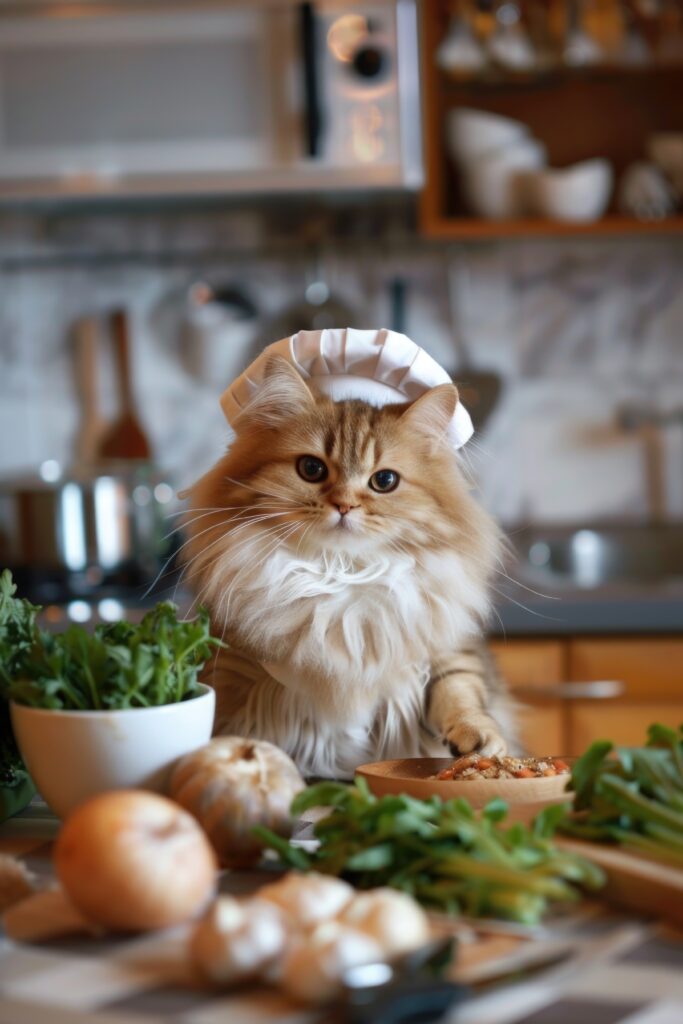
Onions and garlic are extremely toxic to cats and belong to the Allium family of plants, which also includes leeks, shallots, and chives. All forms are dangerous — raw, cooked, powdered, or dehydrated. These foods contain compounds that destroy red blood cells in cats, leading to a serious condition called hemolytic anemia. Symptoms include weakness, lethargy, pale gums, reduced appetite, and orange or red-tinged urine. The scary thing is that symptoms may not appear for several days after ingestion, making it easy to miss the connection. Even small amounts consumed regularly — like garlic powder sprinkled on food — can cause cumulative damage over time. Always check ingredient labels on any human food you consider sharing with your cat. When in doubt, keep it out of reach entirely.
3. Grapes and Raisins
Grapes and raisins are known to cause sudden, severe kidney failure in cats. The exact toxic compound has not yet been identified by scientists, which makes this food particularly concerning. Even a very small amount — just one or two grapes or raisins — can trigger a toxic reaction in some cats. Symptoms include vomiting, diarrhea, lethargy, loss of appetite, abdominal pain, and decreased urination. Kidney failure can develop within 24 to 72 hours of ingestion. Because the toxic dose is unknown and varies between individual cats, no amount should ever be considered safe. Raisins are especially dangerous because they are concentrated and found in many common foods like trail mix, cookies, and cereals. Keep all grape and raisin products completely out of your cat’s reach at all times.
4. Alcohol
Alcohol is extremely toxic to cats, even in tiny amounts. A cat’s liver is simply not equipped to process ethanol the way a human liver can. Even a teaspoon of alcohol can cause severe intoxication in a small cat, and larger amounts can be fatal. Symptoms of alcohol poisoning in cats include vomiting, disorientation, tremors, difficulty breathing, dangerously low blood sugar, and in severe cases, coma or death. Beer, wine, spirits, and even foods cooked with alcohol all pose a risk. Many people don’t realize that alcohol is also found in some mouthwashes, perfumes, and certain medications. Always keep alcoholic beverages covered and out of reach. If your cat accidentally ingests any alcohol, treat it as an emergency and contact your vet immediately.
5. Caffeine
Caffeine is found in coffee, tea, energy drinks, soda, and even some medications and supplements. Cats are far more sensitive to caffeine than humans, and even a small amount can cause serious harm. Caffeine stimulates the nervous system and cardiovascular system in ways a cat’s body cannot handle. Symptoms of caffeine toxicity include restlessness, rapid breathing, heart palpitations, muscle tremors, and seizures. Coffee grounds and tea bags are particularly dangerous because they are highly concentrated sources of caffeine. Even licking the rim of a coffee cup or chewing on a tea bag can deliver enough caffeine to make a cat seriously ill. Keep all caffeinated products stored safely away from your cat. There is no safe level of caffeine for cats — even small exposures should be taken seriously.
6. Xylitol
Xylitol is an artificial sweetener found in sugar-free gum, candy, peanut butter, baked goods, toothpaste, and many diet products. While it is less studied in cats than in dogs, xylitol is considered toxic to cats and should be avoided entirely. In dogs, xylitol causes a rapid and dangerous drop in blood sugar as well as liver failure, and similar effects are suspected in cats. Symptoms include vomiting, lethargy, loss of coordination, and seizures. Always read ingredient labels carefully before giving your cat any human food, especially peanut butter, which is sometimes used to hide medications. Many “natural” and “sugar-free” products contain xylitol without it being obvious from the product name. When in doubt, never share processed human foods with your cat. Stick to treats specifically formulated for feline consumption.
7. Raw Dough and Yeast
Raw bread dough containing yeast is extremely dangerous for cats. When a cat ingests raw dough, the warm environment of the stomach causes the yeast to continue fermenting and expanding. This can cause the stomach to bloat and potentially twist, which is a life-threatening emergency. As the yeast ferments, it also produces alcohol as a byproduct, which gets absorbed into the bloodstream and causes alcohol poisoning on top of the bloating. Symptoms include a visibly distended abdomen, vomiting, disorientation, and extreme lethargy. Even a small amount of raw dough can cause serious harm given how rapidly it expands. Always keep raw dough covered and stored well out of your cat’s reach while baking. Baked bread in small amounts is generally safe, but raw dough never is.
8. Macadamia Nuts
Macadamia nuts are well established as toxic to dogs, and while research in cats is more limited, they are considered unsafe for felines as well. The toxic mechanism is not fully understood, but the effects can be serious. Symptoms in animals include weakness, especially in the hind legs, vomiting, tremors, fever, and lethargy. Macadamia nuts are often found in cookies, chocolates, and trail mixes, which compounds the risk since these foods may also contain other toxic ingredients like chocolate or raisins. Never assume a food is safe for your cat just because it seems harmless to humans. Nuts in general offer no nutritional benefit to cats and several varieties carry real risks. Keep all nut products stored securely and never leave snacks unattended where your cat could investigate.
9. Milk and Dairy Products
Despite the popular image of cats happily lapping up a bowl of milk, most adult cats are actually lactose intolerant. Kittens produce the enzyme lactase to digest their mother’s milk, but this enzyme production decreases significantly after weaning. When adult cats consume milk or other dairy products like cheese, cream, or yogurt, the undigested lactose ferments in the gut, causing digestive upset. Symptoms include diarrhea, vomiting, bloating, and stomach cramps. While dairy is not toxic in the same way as some other foods on this list, regular consumption can cause ongoing digestive discomfort and should be avoided. Some cats tolerate small amounts better than others, but it is safest not to offer dairy at all. Fresh water should always be your cat’s primary and preferred drink.
10. Raw Fish
While cats are often associated with fish, raw fish is actually problematic for several reasons. Raw fish contains an enzyme called thiaminase, which breaks down thiamine — an essential B vitamin — in your cat’s body. Regular consumption of raw fish can lead to a serious thiamine deficiency, causing neurological symptoms including loss of appetite, seizures, and in severe cases, death. Raw fish also carries a significant risk of bacterial contamination from pathogens like salmonella and listeria, which can cause serious gastrointestinal illness. Additionally, some raw fish contain high levels of heavy metals and parasites. Cooked, plain fish with no seasoning is generally safe as an occasional treat, but it should never make up a large part of your cat’s diet. Always choose high-quality commercial cat food that lists fish as a properly processed ingredient.
11. Salt and Salty Snacks
Salt is a hidden danger that many cat owners overlook. Cats have very low tolerance for sodium, and foods high in salt — such as chips, pretzels, popcorn, processed meats, and canned soups — can quickly lead to sodium poisoning. Even small amounts of very salty food can disrupt the electrolyte balance in a cat’s body. Symptoms of salt toxicity include excessive thirst, frequent urination, vomiting, diarrhea, tremors, and in severe cases, seizures and death. Cats are naturally drawn to salty smells and may try to steal salty snacks given the opportunity. Always keep salty snack foods well out of your cat’s reach. Processed human foods in general tend to contain far more sodium than a cat’s body can safely handle, so it is always best to stick with food formulated specifically for cats.
12. Citrus Fruits
Citrus fruits including oranges, lemons, limes, and grapefruits contain essential oils and compounds called psoralens that are toxic to cats. The skin, seeds, leaves, and stems of citrus plants are the most concentrated sources of these toxic compounds, though the fruit flesh can also cause problems. Ingestion can cause vomiting, diarrhea, drooling, depression, and in larger amounts, central nervous system issues. Most cats naturally dislike the strong smell of citrus and will avoid it instinctively — this is actually why citrus sprays are sometimes used as a deterrent. However, curious cats, especially kittens, may still investigate and ingest citrus. Never leave citrus peels or fruit within reach. Interestingly, citrus essential oils used in home diffusers or cleaning products can also be harmful to cats when inhaled or absorbed through the skin.
13. Coconut and Coconut Oil
Coconut and coconut oil have become popular health foods for humans, but they are not safe for cats. The high levels of medium-chain triglycerides in coconut can cause digestive upset including diarrhea, vomiting, and loose stools in cats. Coconut water is high in potassium and can cause serious electrolyte imbalances. While a tiny accidental lick of coconut oil is unlikely to cause serious harm, regular or intentional feeding should be avoided entirely. Some pet owners mistakenly believe coconut oil has health benefits for cats, but there is no scientific evidence to support this, and the risks outweigh any potential benefit. Coconut-based products like coconut milk and coconut cream carry the same risks. Always consult your vet before adding any supplement or new food to your cat’s diet, even those marketed as natural or healthy.
14. Avocado
Avocado contains a fungicidal toxin called persin, which is found in the fruit, skin, pit, and leaves of the avocado plant. While persin toxicity is most well-documented in birds and large animals, it is also considered harmful to cats. Ingestion can cause vomiting, diarrhea, and in larger amounts, more serious cardiovascular and respiratory issues. The large avocado pit also poses a serious choking and intestinal obstruction risk if swallowed. Guacamole is doubly dangerous because it typically contains onions and garlic in addition to avocado. With avocado appearing in more and more foods — from toast toppings to salads to sushi — it is increasingly important to keep these foods away from your cat. Never assume a food is safe just because it is plant-based or considered healthy for humans.
15. Tuna (In Large Amounts)
Tuna deserves a special mention because it occupies a complicated place in feline nutrition. Small amounts of plain, cooked tuna are not immediately harmful and most cats go absolutely crazy for the smell and taste. However, feeding tuna regularly or in large amounts causes serious problems. Tuna is deficient in several nutrients cats need, including vitamin E and taurine, and a tuna-heavy diet can lead to a painful condition called steatitis, or yellow fat disease, caused by vitamin E deficiency. Mercury accumulation is also a concern with regular tuna consumption. Additionally, cats can become so addicted to the strong flavor of tuna that they refuse to eat anything else, leading to nutritional deficiencies. Tuna should be an occasional treat only — never a dietary staple. Always choose cat-specific tuna treats over human canned tuna, which often contains added salt.
If you ever suspect your cat has eaten something toxic, contact your vet or the ASPCA Animal Poison Control Center immediately. It is always better to be safe than sorry.