
10 Cat Behaviors That Seem Weird But Are Totally Normal
If you’ve ever watched your cat stare at a blank wall, sprint through the house at 3am, or sit in an empty box for hours, you’ve probably wondered whether your cat is a little bit crazy. The truth is, none of these behaviors are strange at all they are deeply rooted in feline instinct, biology, and psychology. Here are 10 cat behaviors that seem bizarre but are completely and perfectly normal.
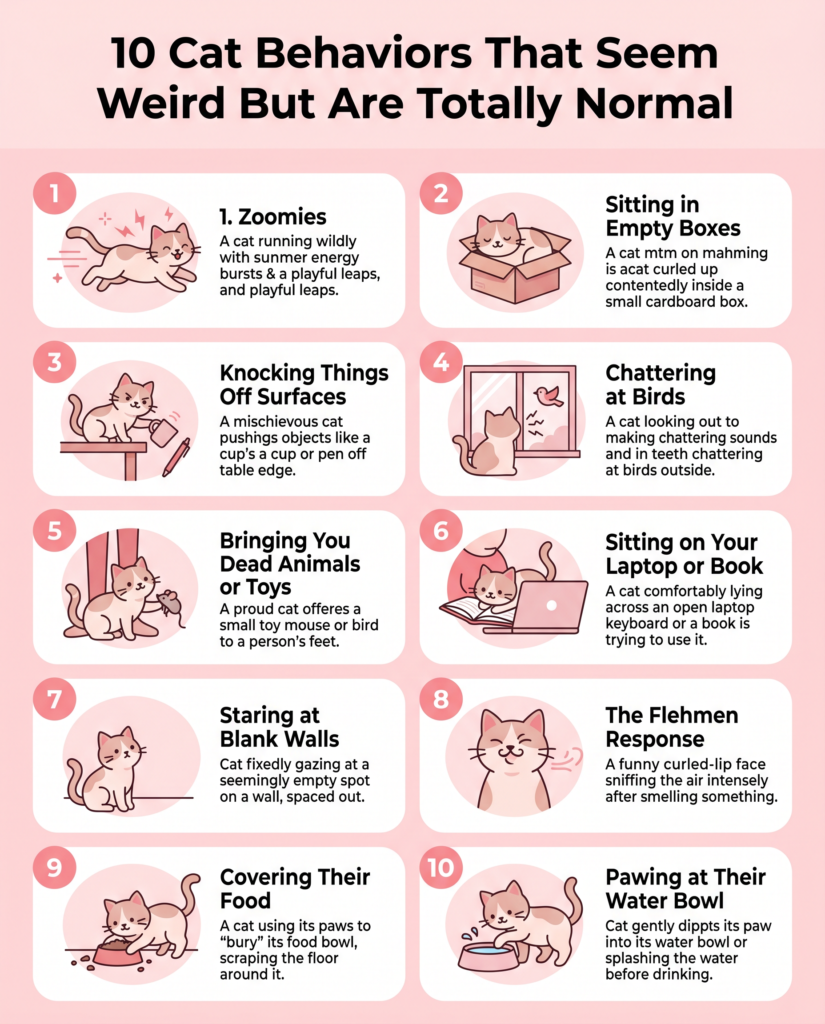
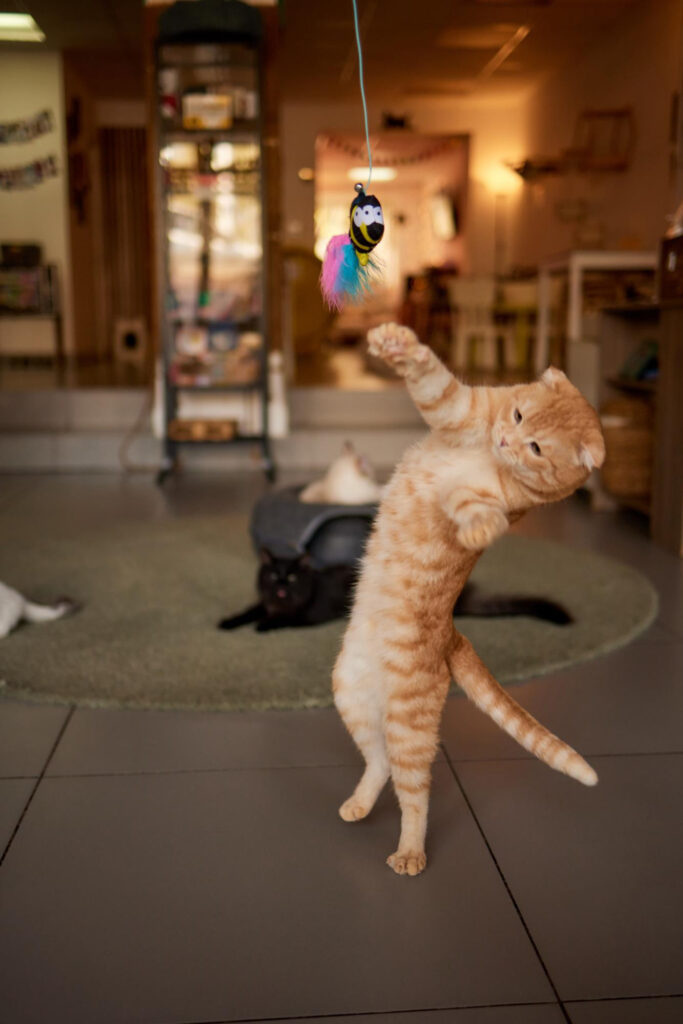
1. Zoomies — Sprinting Through the House for No Reason
One moment your cat is peacefully sleeping, and the next they are tearing through every room in the house at full speed, skidding around corners and launching themselves off furniture. This phenomenon affectionately known as the zoomies or FRAP (Frenetic Random Activity Periods) is one of the most universally experienced and entertaining cat behaviors. It happens most frequently in the early morning and late evening, which aligns with the crepuscular nature of cats they are naturally most active at dawn and dusk. Zoomies are essentially a release of pent-up energy and hunting instinct that has had no other outlet during the day. Indoor cats with limited stimulation are particularly prone to dramatic zoomie episodes. A well-exercised cat who gets regular play sessions will typically have shorter and less intense zoomies. Far from being a sign of anything wrong, a good zoomie session is actually a sign of a healthy, energetic cat.
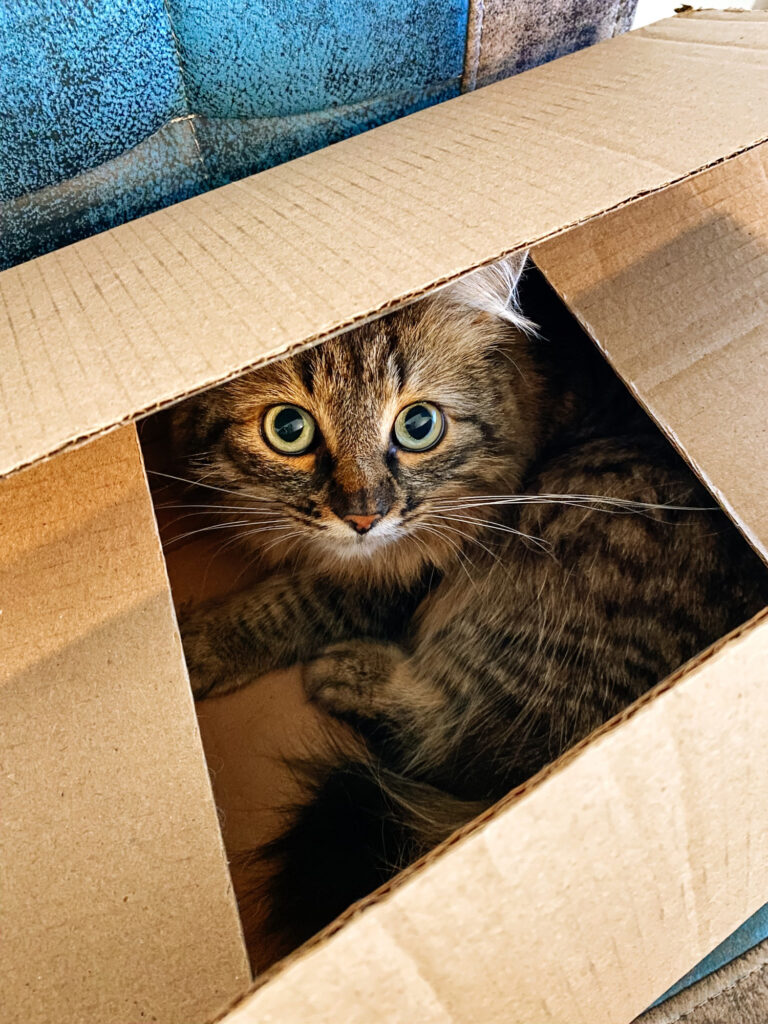
2. Sitting in Empty Boxes and Bags
You spend a small fortune on a beautiful cat bed and your cat ignores it completely in favor of the cardboard box it arrived in. This is not ingratitude. It is deeply instinctive behavior rooted in survival. In the wild, small enclosed spaces provide protection from predators and give cats a concealed vantage point from which to observe their surroundings without being seen. A cardboard box satisfies this instinct perfectly it is enclosed, slightly elevated, and provides a clear view of the surrounding area. Research has actually shown that cats given access to boxes in stressful environments recover from stress significantly faster than cats without boxes. The crinkly, unpredictable texture of paper bags adds a sensory and auditory dimension that many cats find irresistible. Next time your cat claims a box, know that they have found their perfect sanctuary.
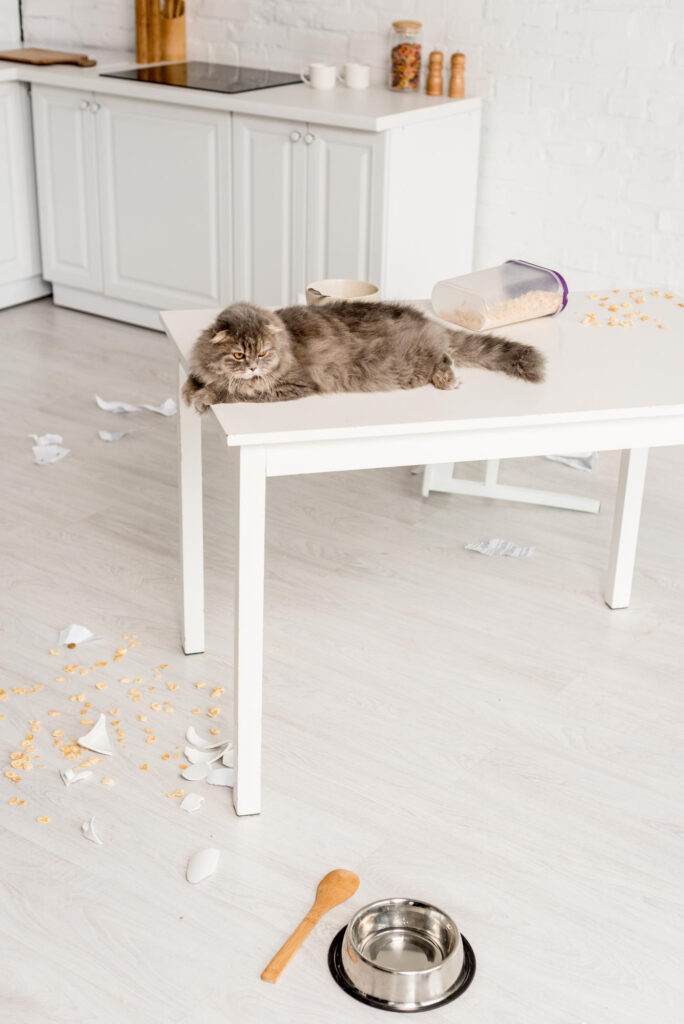
3. Knocking Things Off Surfaces
Your cat walks deliberately to the edge of your desk, makes direct eye contact, and slowly pushes your coffee mug to its doom. This is not malice it is a combination of curiosity, prey-testing instinct, and learned behavior. Cats use their extraordinarily sensitive paws to gather information about objects before fully committing to an interaction. Pushing something off a surface and watching it fall provides rich sensory feedback about the object’s weight, movement, and behavior. Cats also quickly learn that this behavior produces a immediate, reliable reaction from their humans and any attention, even negative attention, is rewarding to a social cat who wants engagement. The solution is not punishment but rather more proactive play and attention before the behavior begins.
4. Chattering at Birds and Squirrels
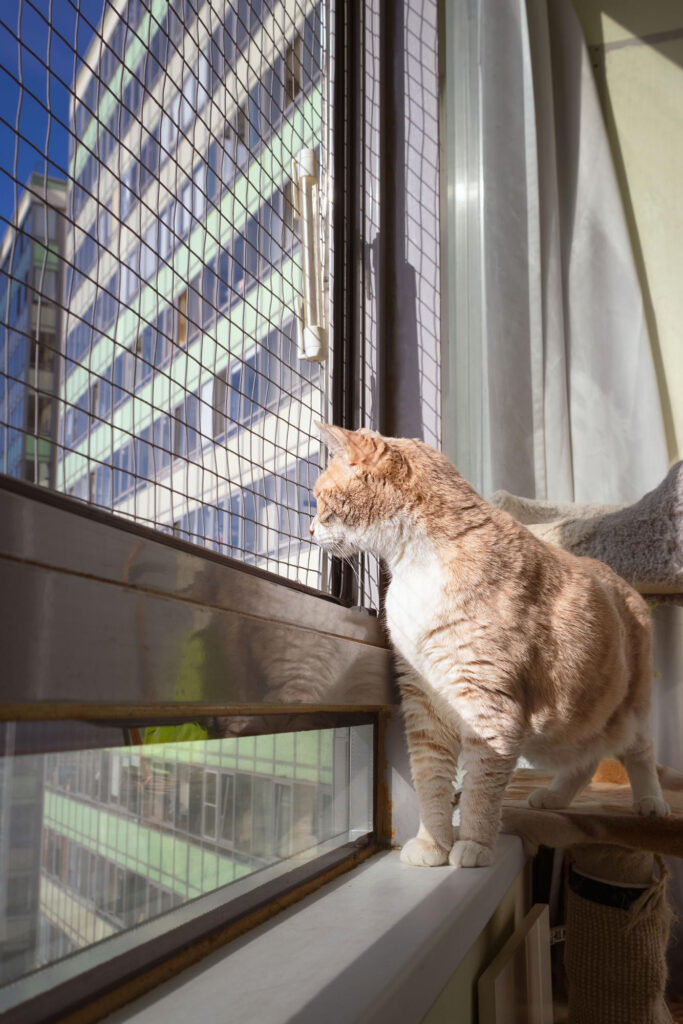
That rapid, stuttering jaw movement accompanied by a strange clicking or chittering sound that your cat makes while watching birds through the window is one of the most delightfully peculiar behaviors in the feline repertoire. The exact purpose of chattering is not fully understood by researchers, but the leading theories are fascinating. Some believe it is an expression of intense predatory excitement and frustration your cat sees prey they cannot reach and the chattering is an involuntary overflow of hunting arousal. Others suggest it may mimic the killing bite that cats use on prey a rapid bite to the back of the neck essentially a rehearsal of the final hunting move. Whatever its exact purpose, chattering is completely harmless and is actually a sign of a mentally engaged, instinctively healthy cat.
5. Bringing You Dead Animals or Toys
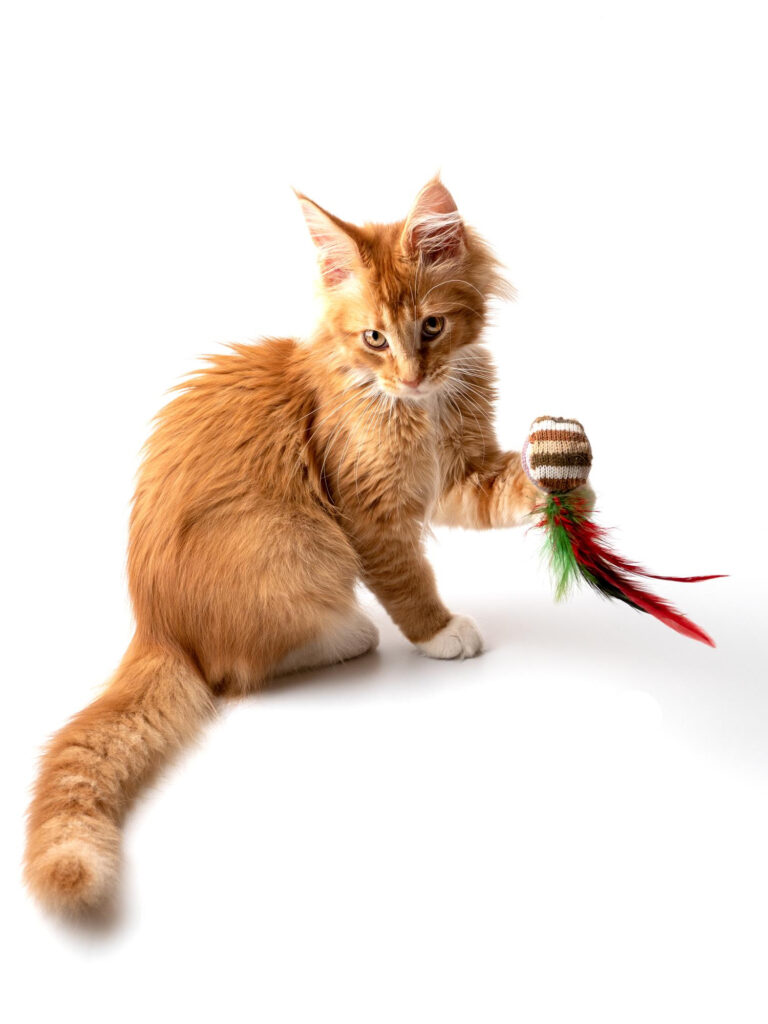
Finding a dead mouse, a mangled bird, or a thoroughly destroyed toy left at your feet is not something most cat owners look forward to. But understanding why your cat does this changes everything. Cats are hunters by nature, and bringing prey to trusted companions is an instinctive nurturing behavior. In a feline social group, experienced hunters share their catches with those they care for. When your cat brings you a gift live, dead, or toy they are treating you as a valued member of their family who they want to provide for. Some behaviorists also suggest that cats may be trying to teach their humans to hunt, since in their eyes we are apparently terrible at it. Either way, the gesture deserves acknowledgment rather than horror.
6. Sitting on Your Laptop, Book, or Whatever You Are Looking At
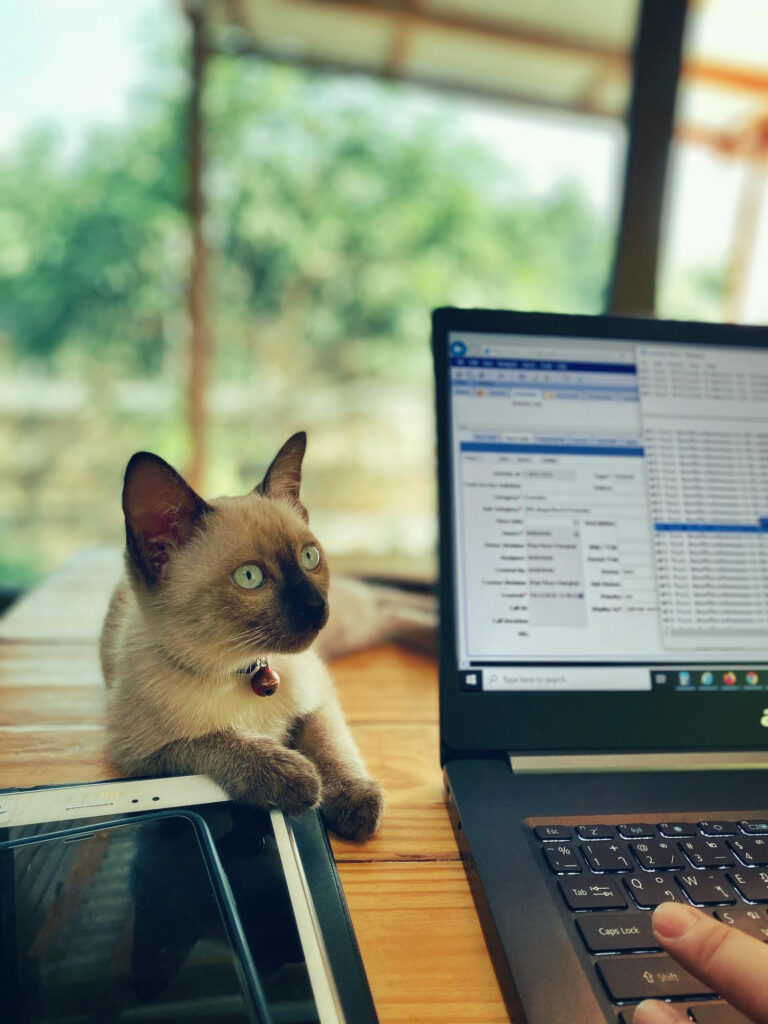
The moment you open a book, laptop, or newspaper, your cat materializes and sits directly on it. This is not coincidence. Cats are highly attuned to where their owner’s attention is directed, and they want that attention for themselves. Sitting on whatever you are focused on is a highly effective strategy for redirecting your attention from the object to them. There is also a warmth component laptops and books absorb body heat and are genuinely comfortable to sit on. Your cat has also learned that this behavior reliably results in you interacting with them, even if only to move them. It is a perfectly logical strategy from a cat’s perspective, even if it is spectacularly inconvenient from yours.
7. Staring at Blank Walls or Empty Corners
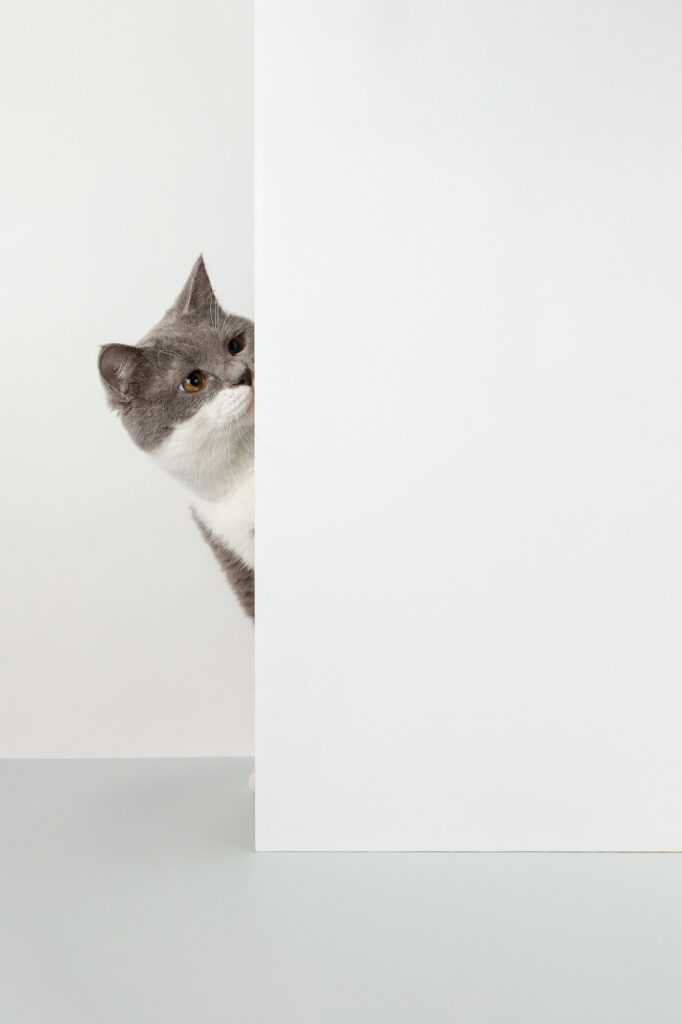
Few things are more unsettling than watching your cat stare intensely at a completely blank wall or empty corner for an extended period. Despite what the internet might suggest, your cat is almost certainly not seeing ghosts. Cats have extraordinary sensory capabilities that far exceed our own. Their hearing range extends well beyond human perception they can detect ultrasonic sounds produced by rodents, insects, and other small creatures inside walls and behind surfaces. Their peripheral vision is significantly wider than ours and they detect movement at much lower light levels. What appears to be a blank wall to you is very likely a wall that contains sounds, vibrations, or subtle movements that your cat can detect perfectly well. They are simply investigating something real that you cannot perceive.
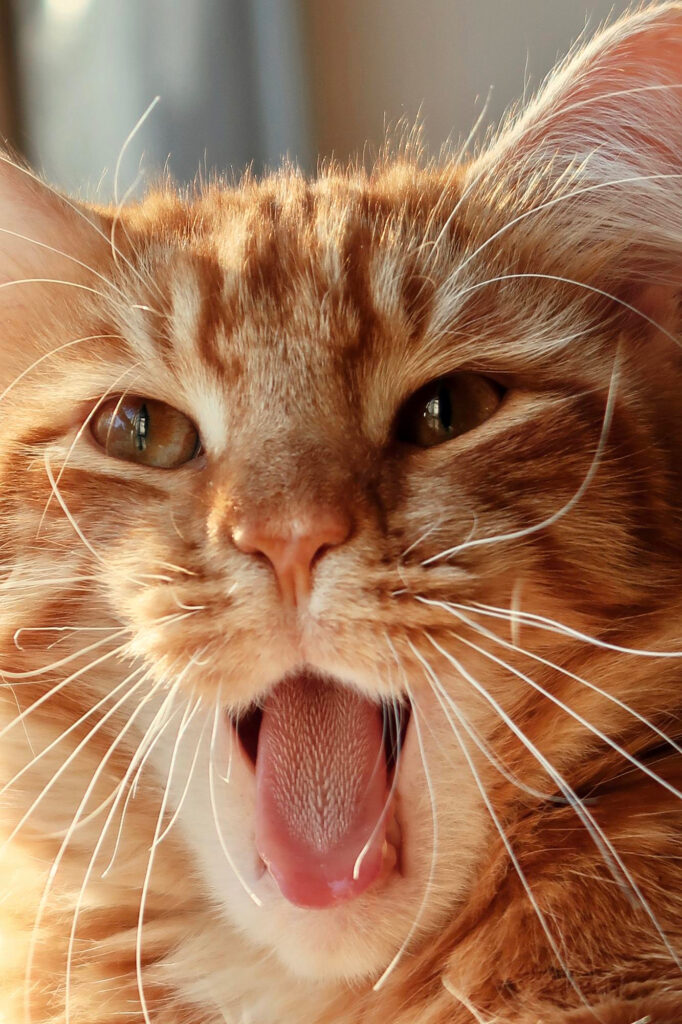
8. The Slow Head Shake After Sniffing Something
You may have noticed your cat sniff something intently, then lift their head and hold their mouth slightly open with a peculiar spaced-out expression sometimes accompanied by a slow head shake. This behavior has a name: the Flehmen response. Cats have a specialized scent organ called the Jacobson’s organ or vomeronasal organ located in the roof of their mouth. When a cat encounters a particularly interesting or complex scent especially one related to other animals or potential mates they draw the scent into this organ by opening their mouth slightly and allowing air to pass over it. The resulting expression looks almost comical but is actually your cat performing sophisticated chemical analysis of a scent that caught their attention. It is completely normal and happens most frequently when cats encounter unfamiliar animals or strong biological scents.
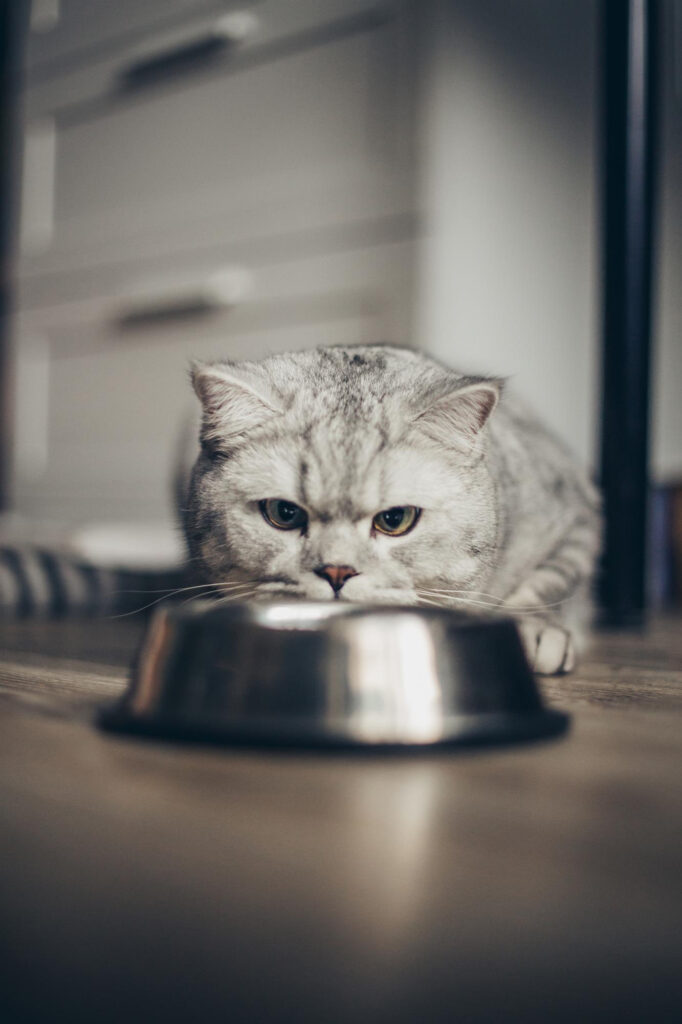
9. Covering Their Food or Walking Away From a Full Bowl
Your cat approaches their food bowl, sniffs it, and then spends several minutes scratching at the floor around it as if trying to bury it despite the floor being completely solid. Or they simply walk away from a full bowl of perfectly good food. Both behaviors have instinctive roots. The scratching behavior known as caching is an attempt to cover leftover food to hide it from scavengers and preserve it for later, exactly as wild cats do with prey. Even though domestic cats have no need to preserve food, the instinct remains. Walking away from a full bowl often signals that the food is stale, the bowl smells unpleasant, the bowl is too close to the water bowl or litter box, or your cat’s sensitive whiskers are touching the sides of a bowl that is too narrow a condition known as whisker fatigue.
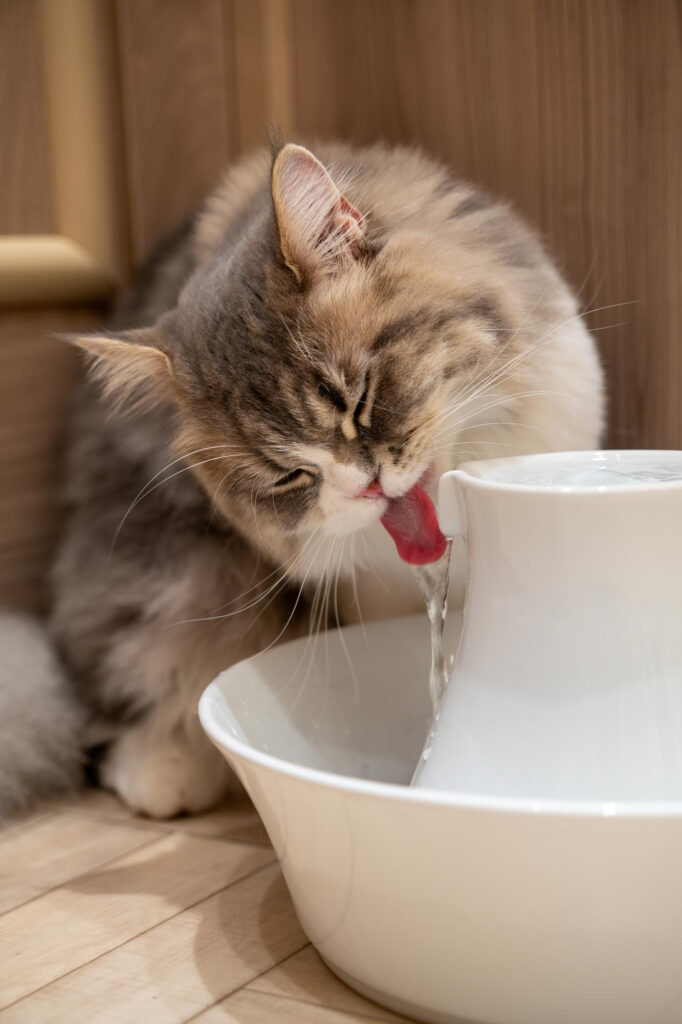
10. Knocking Over Their Water Bowl or Preferring Running Water
Many cats will paw at their water bowl, splash in it, or refuse to drink still water strongly preferring to drink from a running tap or fountain instead. This is not fussiness. It is deeply rooted survival instinct. In the wild, still water is far more likely to be contaminated than running water. A cat’s instincts associate moving, oxygenated water with freshness and safety. Their whiskers also play a role the ripples created by pawing at the water surface help cats judge the water level and location without having to put their face close to the surface. If your cat consistently ignores their water bowl, a cat water fountain is one of the best investments you can make for their hydration and long-term health.
Your cat is not crazy they are simply a magnificently complex creature operating on millions of years of finely tuned instinct. The more you understand the reasons behind their behavior, the more fascinating and endearing even the strangest habits become.