
15 Ways to Make Your Home Cat Friendly
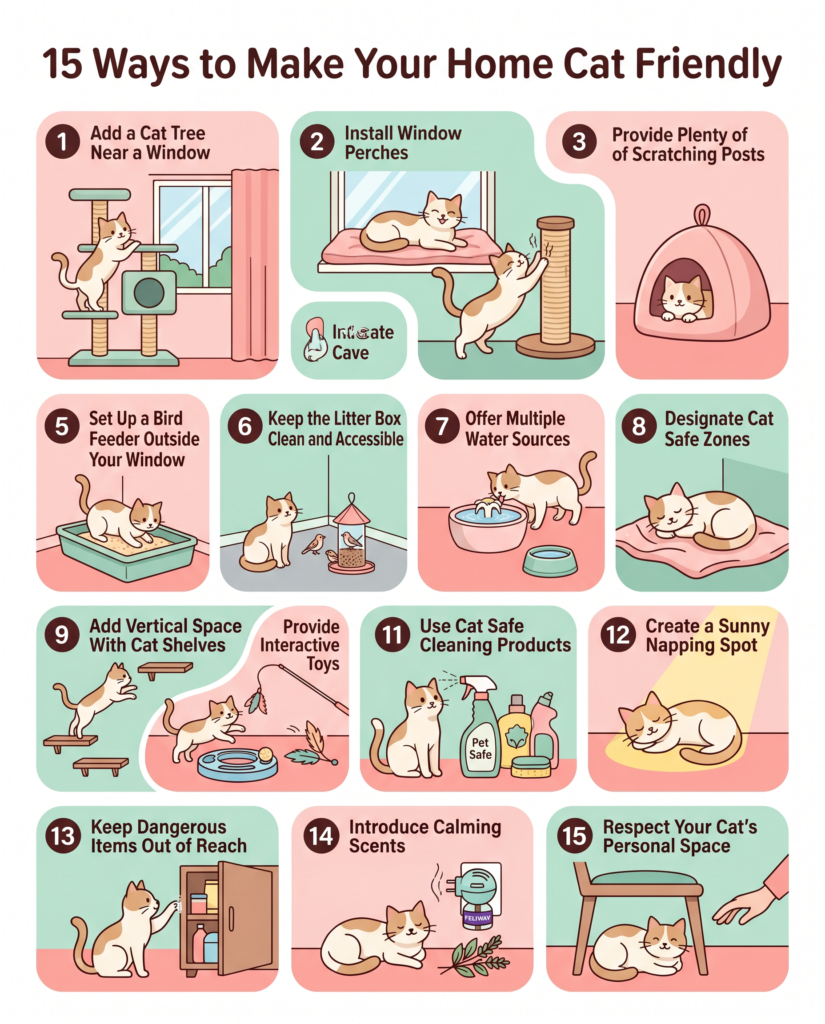
Your home is your cat’s entire world and the way it’s set up has a massive impact on their happiness, confidence, and wellbeing. Whether you’ve just welcomed a new cat or want to improve life for your existing feline, small changes can make an enormous difference. From climbing spaces to hiding spots, water sources to calming scents, here are 15 practical ways to transform your home into a paradise your cat will absolutely love.
1. Add a Cat Tree Near a Window
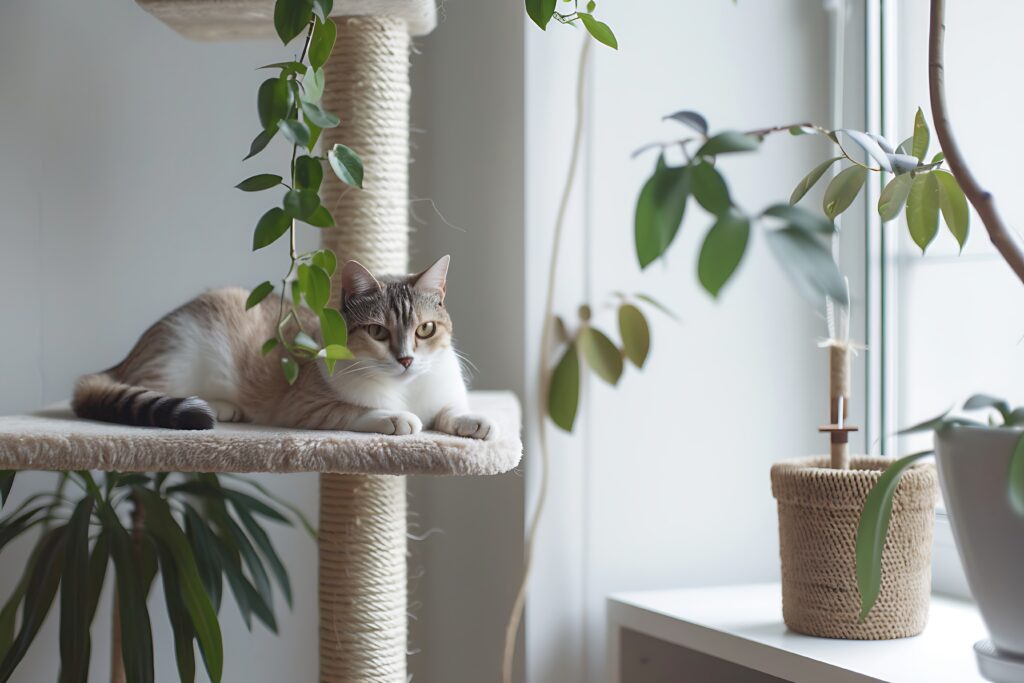
A cat tree placed next to a window is one of the best investments you can make for your indoor cat. Cats are natural climbers and love to observe their surroundings from a high vantage point. A window-side cat tree gives your cat the perfect spot to watch birds, squirrels, and passing activity outside. This kind of mental stimulation is incredibly important for indoor cats who don’t have access to the outdoors. Choose a cat tree that is tall enough to give a good view and sturdy enough to handle your cat’s weight. Make sure it has multiple levels, scratching posts built in, and cozy perches. Cats who have a dedicated window spot are generally calmer and less destructive around the house. It becomes their personal territory a place where they feel completely safe and in control.
2. Install Window Perches
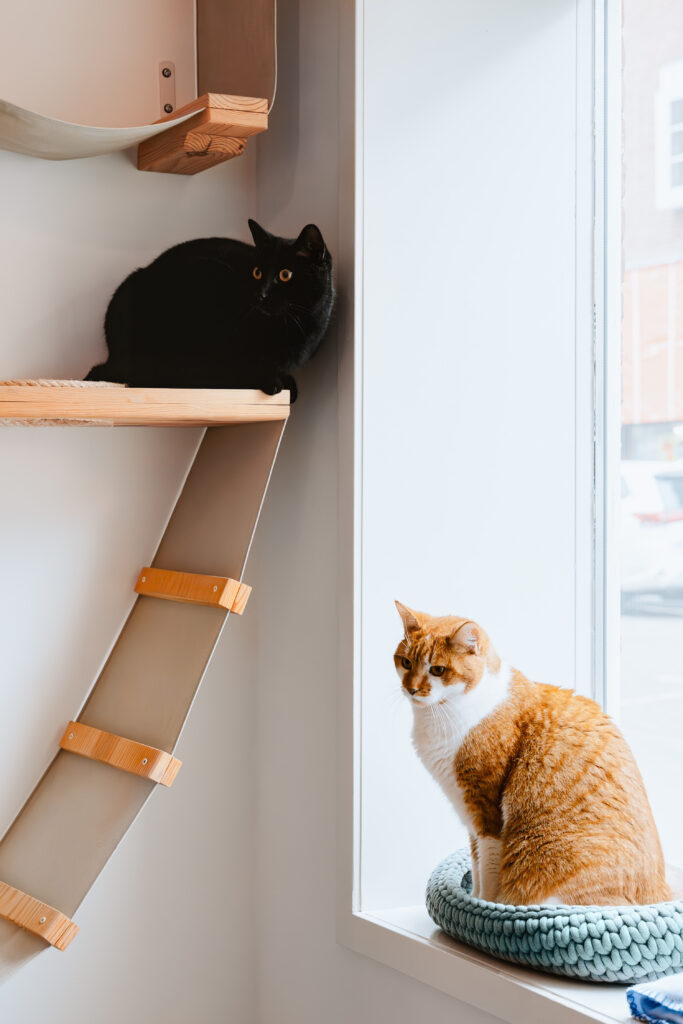
If space is limited and a full cat tree isn’t practical, a window perch is a fantastic alternative. These simple shelves attach directly to your window frame and give your cat a comfortable spot to sit and watch the world outside. Most window perches are padded and can support cats of all sizes. They take up almost no floor space, making them perfect for apartments. Place one in a south or east facing window for maximum sunlight cats absolutely love basking in warm patches of light. You can install multiple perches at different heights to create a mini climbing wall along your window. Many cats spend hours on their window perch, which keeps them entertained and mentally stimulated throughout the day.
3. Provide Plenty of Scratching Posts
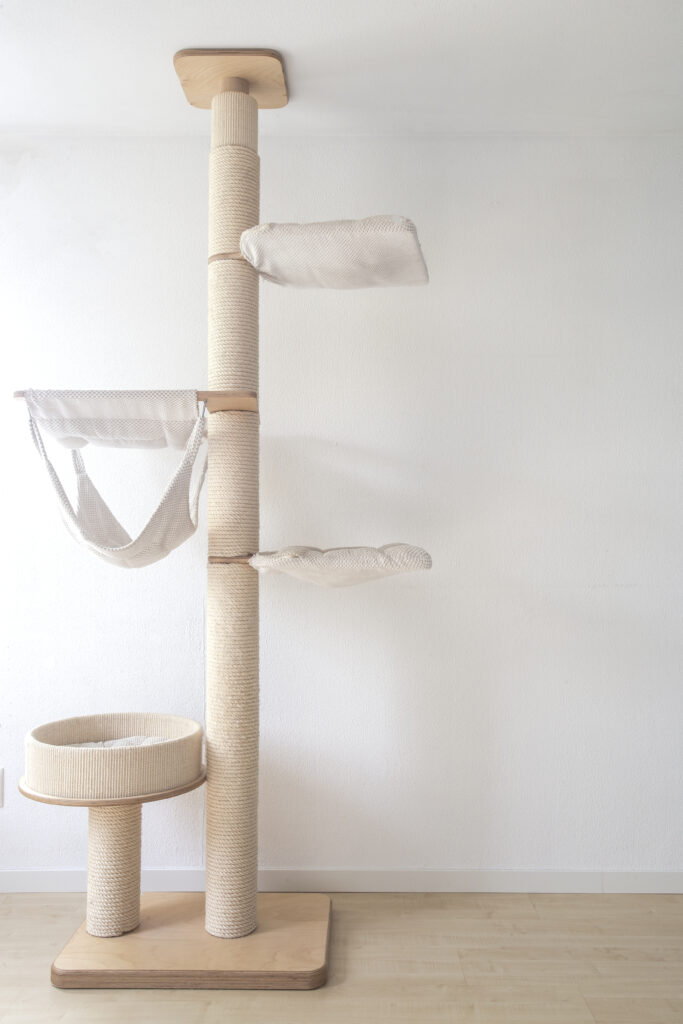
Scratching is a completely natural and necessary behavior for cats it helps them stretch their muscles, shed old nail sheaths, and mark their territory. If you don’t provide appropriate scratching surfaces, your cat will simply use your furniture instead. Place scratching posts in multiple locations around your home, especially near areas where your cat sleeps and spends most of their time. Cats prefer to scratch right after waking up, so placing a post near their bed is very effective. Offer both vertical and horizontal scratching options as cats have different preferences. Sisal rope posts are generally the most popular, but some cats prefer cardboard or carpet. Replace scratching posts when they become too worn down to be effective.
4. Create Cozy Hiding Spots
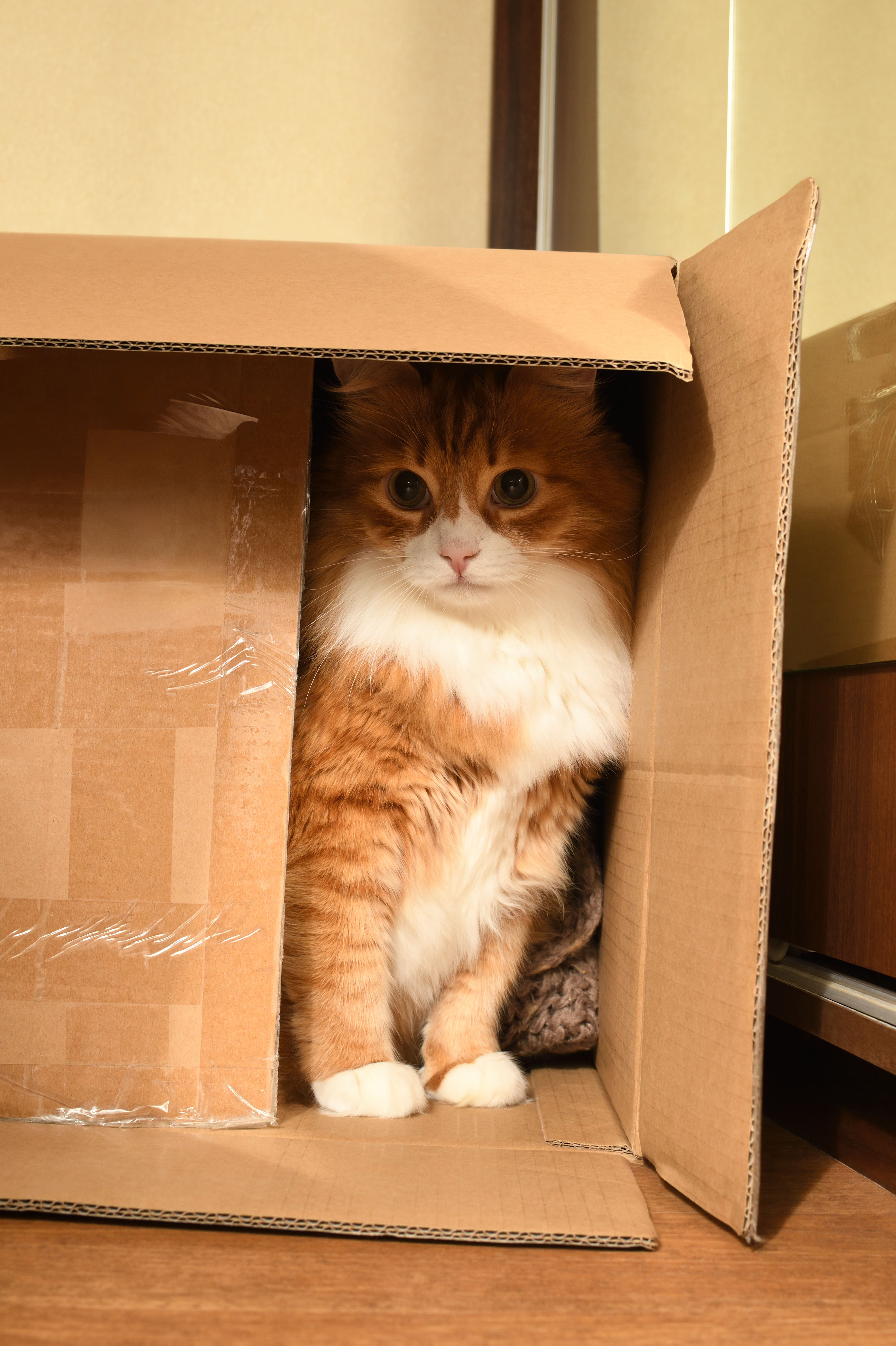
Every cat needs a private retreat where they can feel completely safe and undisturbed. Hiding spots are especially important in busy households with children or other pets. You don’t need to buy expensive cat furniture a simple cardboard box with a blanket inside works perfectly. Place hiding spots in quiet corners of your home away from high traffic areas. Cat caves, enclosed cat beds, and covered hammocks are also great options. Having multiple hiding spots throughout your home means your cat always has somewhere to retreat when they feel overwhelmed or simply want some alone time. Never force your cat out of their hiding spot respecting their need for privacy builds trust and reduces stress significantly.
5. Set Up a Bird Feeder Outside Your Window
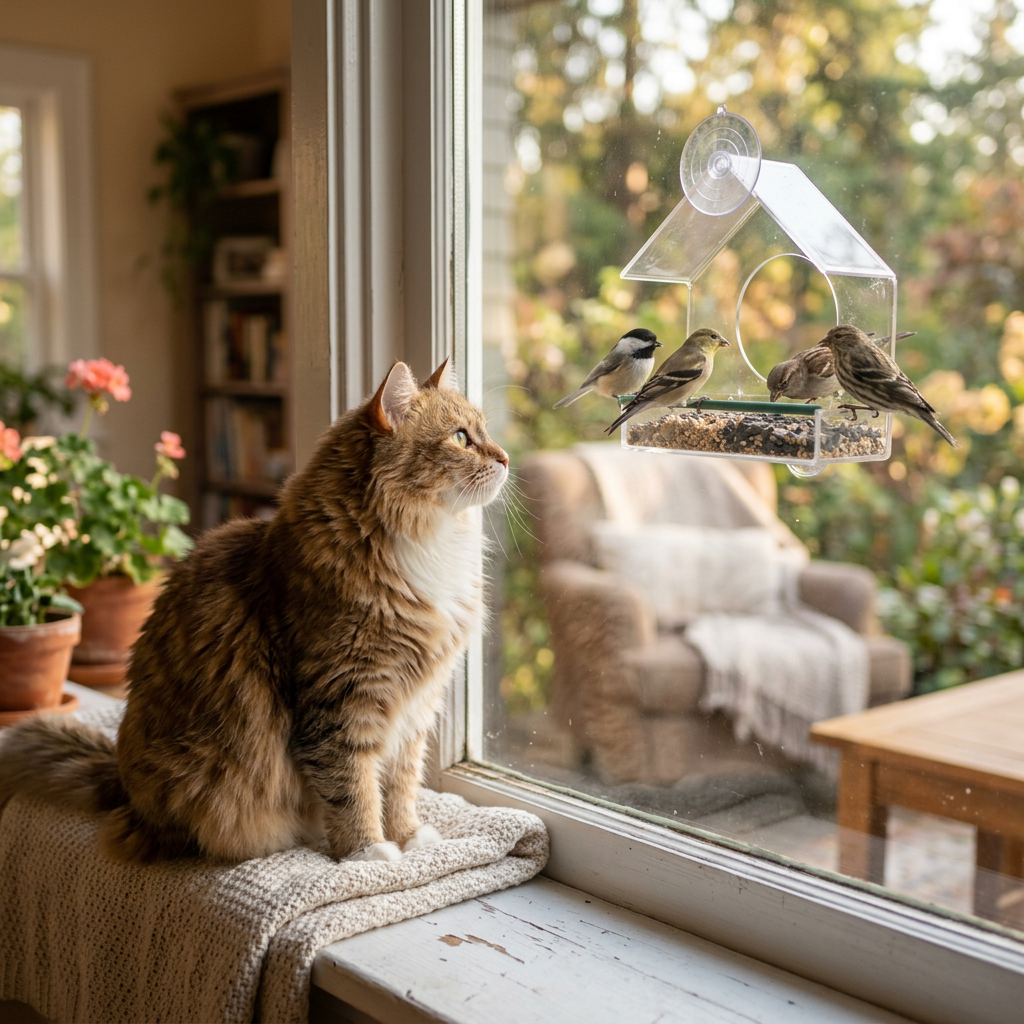
This is one of the easiest and most effective ways to enrich your indoor cat’s environment. Place a bird feeder just outside a window your cat can easily see from. The birds, squirrels, and other wildlife that visit will provide hours of natural entertainment for your cat every single day. This kind of visual stimulation mimics the hunting experience and keeps your cat mentally engaged. Position your cat’s bed or perch right at the window so they can watch comfortably for long periods. In warmer months you can also place the feeder near a window you can open slightly so your cat can hear the sounds of birds as well. It costs very little to set up but makes a huge difference in your cat’s daily quality of life.
6. Keep the Litter Box Clean and Accessible
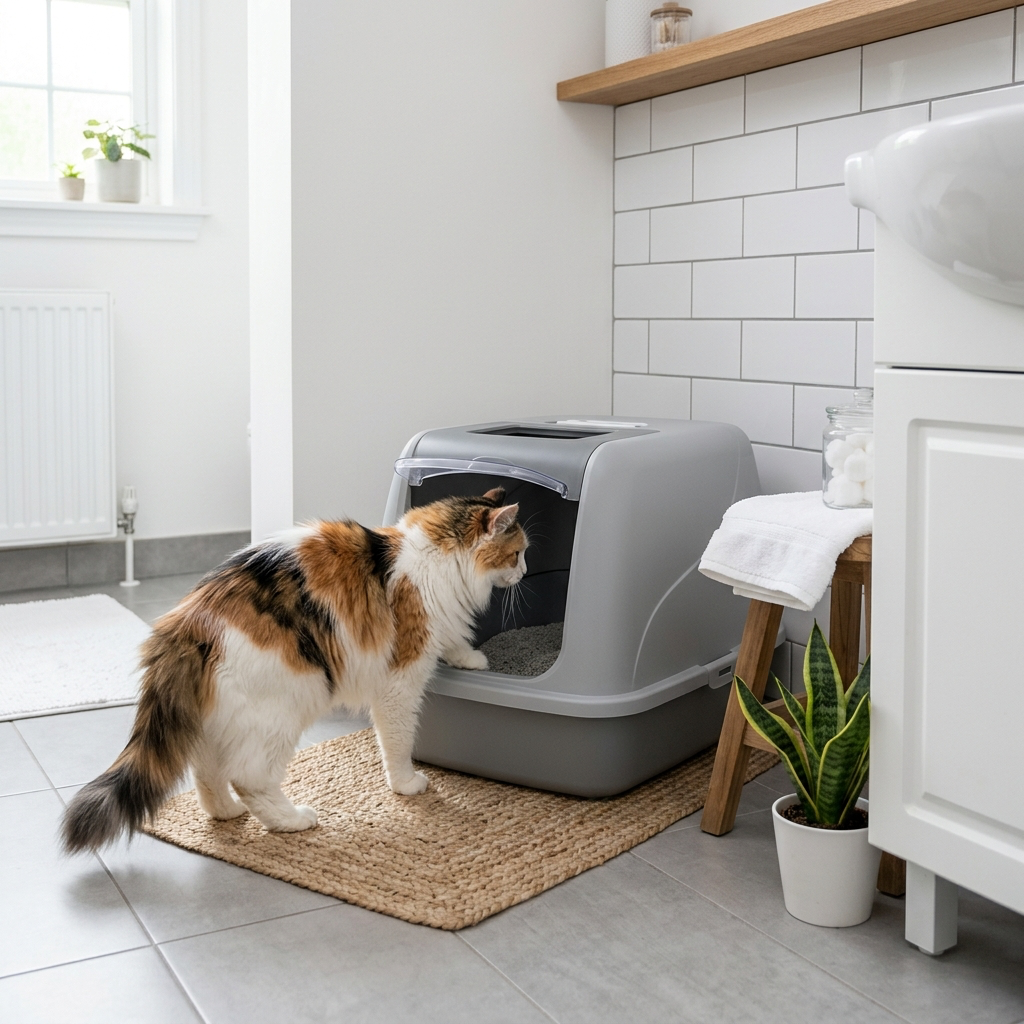
A clean, well-placed litter box is absolutely essential for a cat-friendly home. Cats are extremely clean animals and will avoid a dirty litter box sometimes choosing to go elsewhere in your home instead. Scoop the litter box at least once a day and do a full clean with fresh litter at least once a week. The general rule is one litter box per cat plus one extra. Place litter boxes in quiet, low-traffic areas where your cat can use them without feeling exposed or startled. Never place the litter box next to your cat’s food and water bowls. If you have a multi-story home, place at least one litter box on each floor. Covered litter boxes offer more privacy but make sure they don’t trap odors which can discourage your cat from using them.
7. Offer Multiple Water Sources
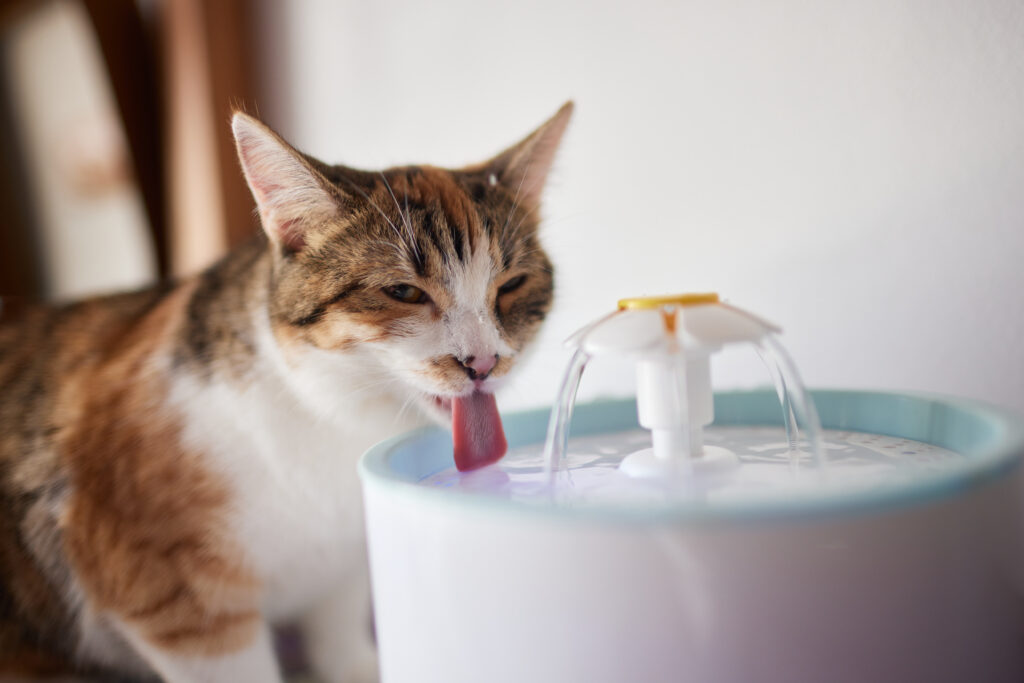
Many cats are naturally reluctant to drink enough water, which can lead to urinary and kidney problems over time. One of the best ways to encourage hydration is to offer water in multiple locations around your home. Some cats strongly prefer running water a cat water fountain is an excellent investment that encourages many cats to drink significantly more. Place water bowls away from food bowls as cats instinctively avoid water sources near their prey. Use wide, shallow bowls so your cat’s whiskers don’t touch the sides whisker fatigue is a real issue that can put cats off drinking. Change the water daily and clean the bowls regularly to keep it fresh and appealing.
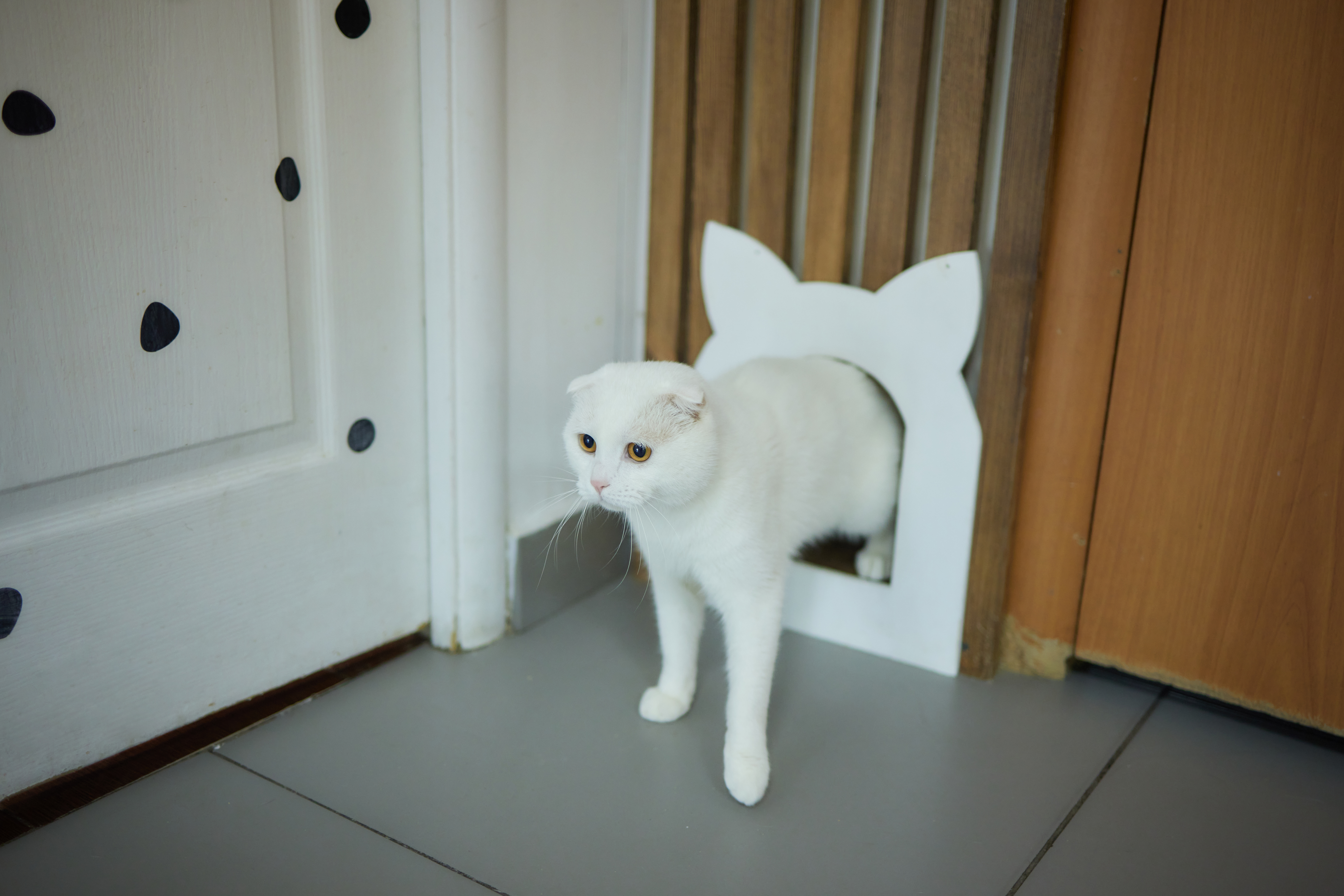
8. Designate Cat-Safe Zones
Not every area of your home needs to be accessible to your cat, but the areas that are should be completely safe and cat-proofed. Go through each room and identify potential hazards loose electrical cords, toxic plants, small objects that could be swallowed, open washing machines or dryers, and unstable furniture. Secure heavy furniture to walls so it can’t be toppled if your cat climbs it. Use cord organizers to keep electrical cables out of reach. Remove or replace any houseplants that are toxic to cats common ones include lilies, pothos, and peace lilies. A safe home gives your cat freedom to explore without risk of injury.
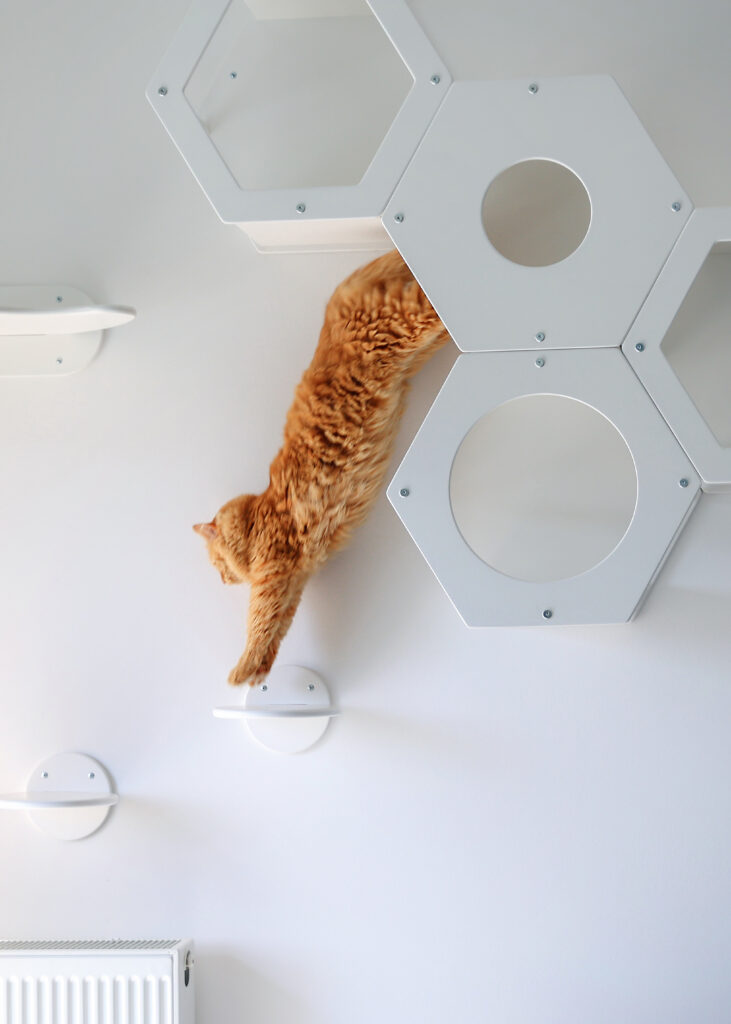
9. Add Vertical Space With Cat Shelves
Cats feel most confident and secure when they can access high spaces. Wall-mounted cat shelves dramatically increase the usable space in your home without taking up any floor area. You can create an entire cat highway along your walls a series of shelves, bridges, and perches that allow your cat to travel around the room at height. This is particularly valuable in multi-cat households where cats need space to establish their own territories without conflict. Cat shelves also give shy cats an escape route from other pets or children. There are many stylish cat shelf options available that look like regular home décor, so you don’t have to sacrifice your interior design.
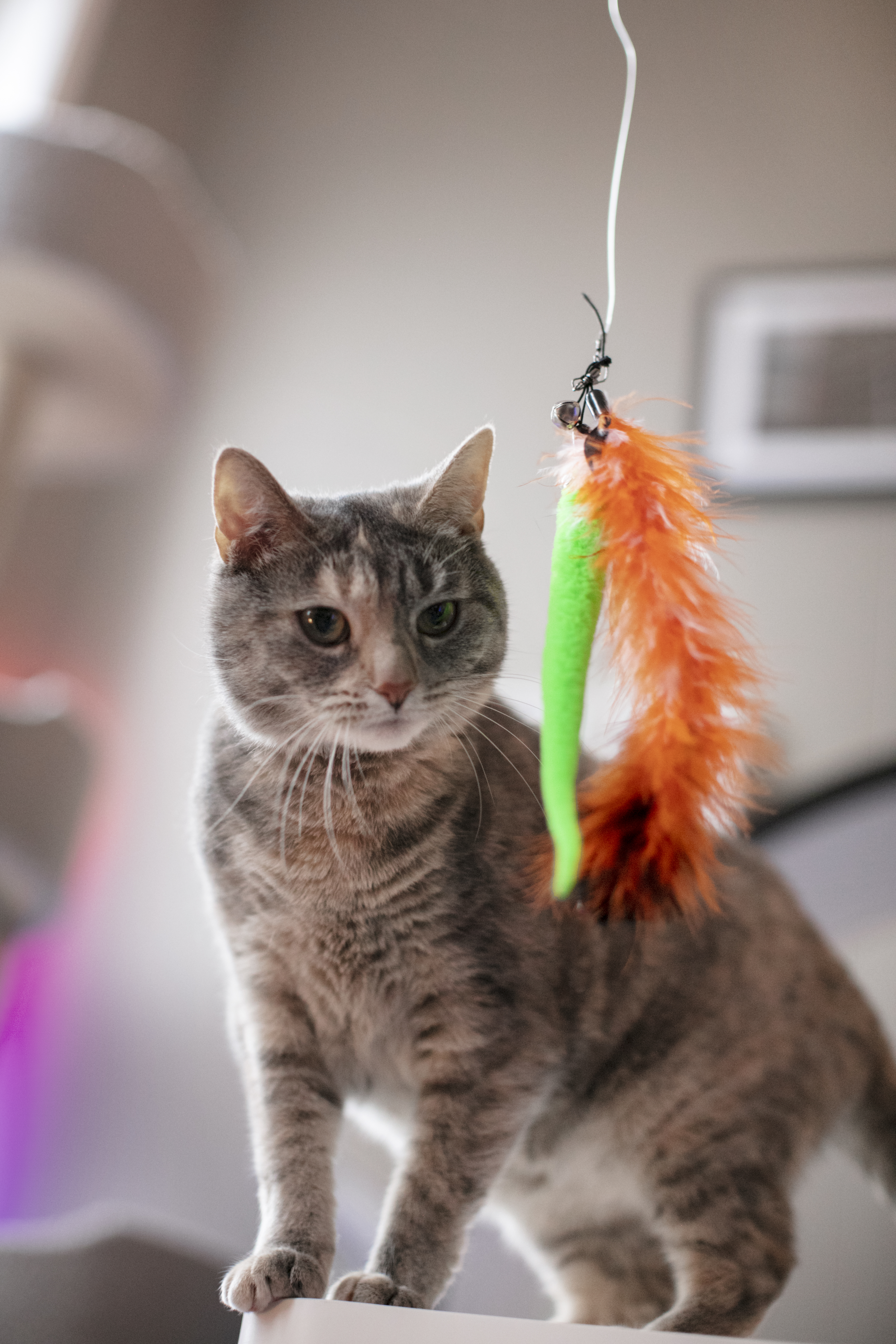
10. Provide Interactive Toys
Interactive toys are essential for keeping indoor cats mentally and physically stimulated. Without enough play and stimulation, cats can become bored, anxious, and destructive. Rotate toys regularly so your cat doesn’t lose interest something that’s been hidden for a week feels brand new again. Wand toys, puzzle feeders, laser pointers, and motorized mice are all excellent options. Schedule at least two dedicated play sessions per day of 10-15 minutes each. Play is especially important for young and high-energy cats. Even older cats benefit greatly from regular play sessions that keep their minds sharp and their bodies active. The bond you build during play time is also one of the strongest connections you can have with your cat.
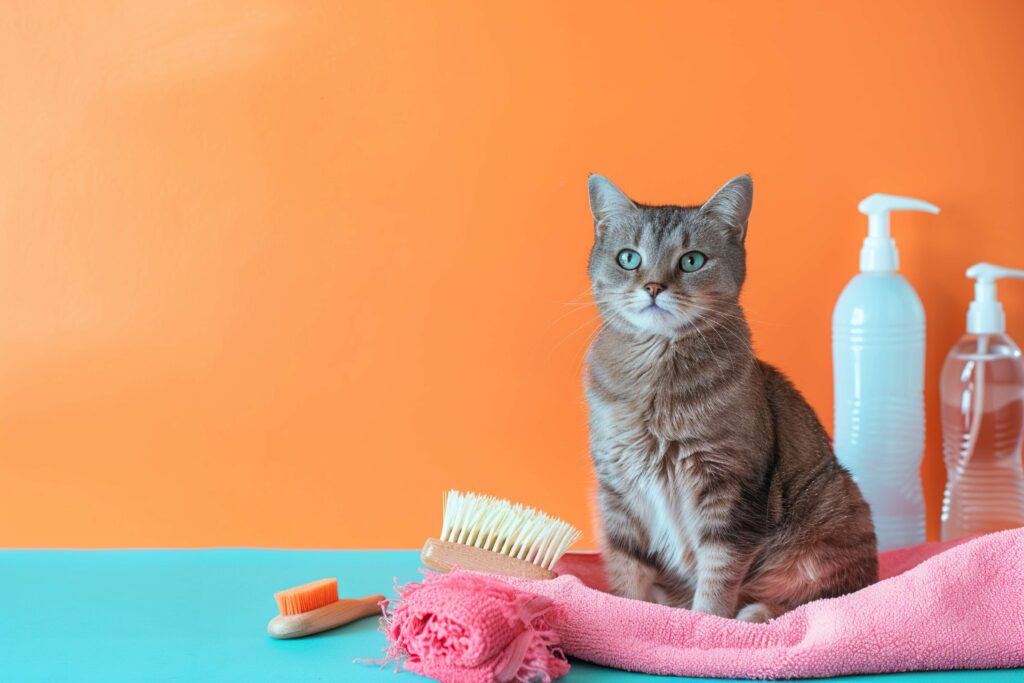
11. Use Cat-Safe Cleaning Products
Many common household cleaning products contain chemicals that are toxic to cats. Cats walk across cleaned surfaces and then groom themselves, ingesting whatever residue is left behind. Switch to cat-safe, pet-friendly cleaning products throughout your home. Avoid products containing bleach, ammonia, phenols, and essential oils like tea tree and eucalyptus which are highly toxic to cats. Look for plant-based, fragrance-free cleaners that are specifically labeled as safe for pets. Even air fresheners and scented candles can be harmful cats have extremely sensitive respiratory systems. A clean home doesn’t have to mean a chemically dangerous one for your cat.
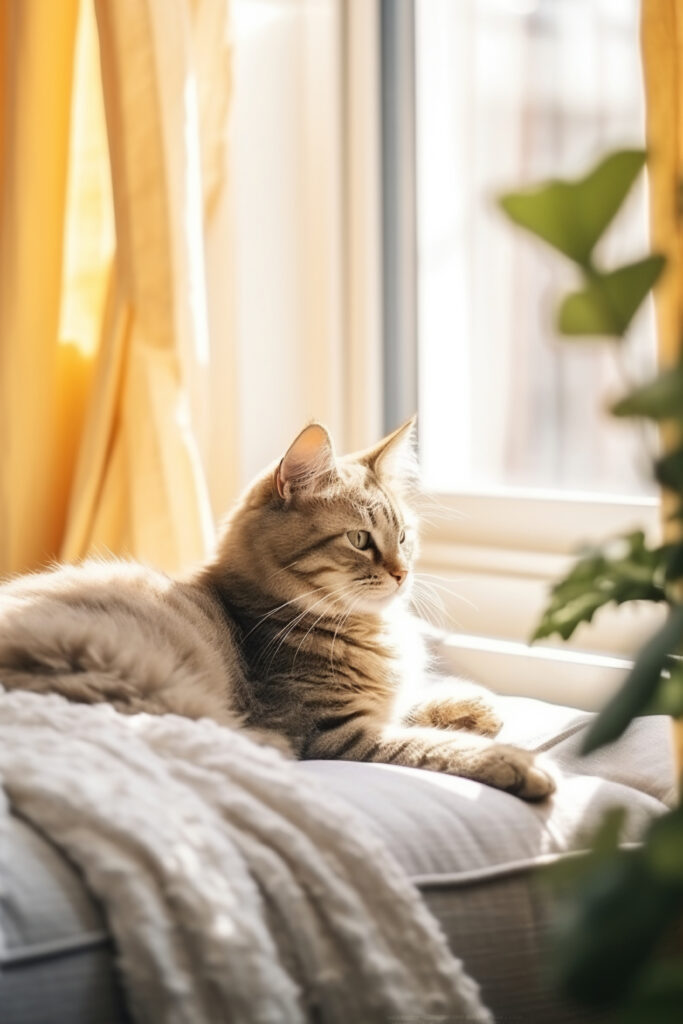
12. Create a Sunny Napping Spot
Cats sleep between 12 and 16 hours a day and they are deeply drawn to warm, sunny spots. Make sure your cat has access to at least one comfortable napping spot that receives good natural sunlight during the day. A padded bed placed in a sunny corner or on a windowsill works perfectly. Heated cat beds are also a wonderful option, especially in winter or for older cats with joint pain. Cats regulate their body temperature through sunbathing, and a warm napping spot helps them sleep more deeply and comfortably. Multiple cozy sleeping spots around your home mean your cat always has somewhere comfortable to rest no matter where they are in the house.
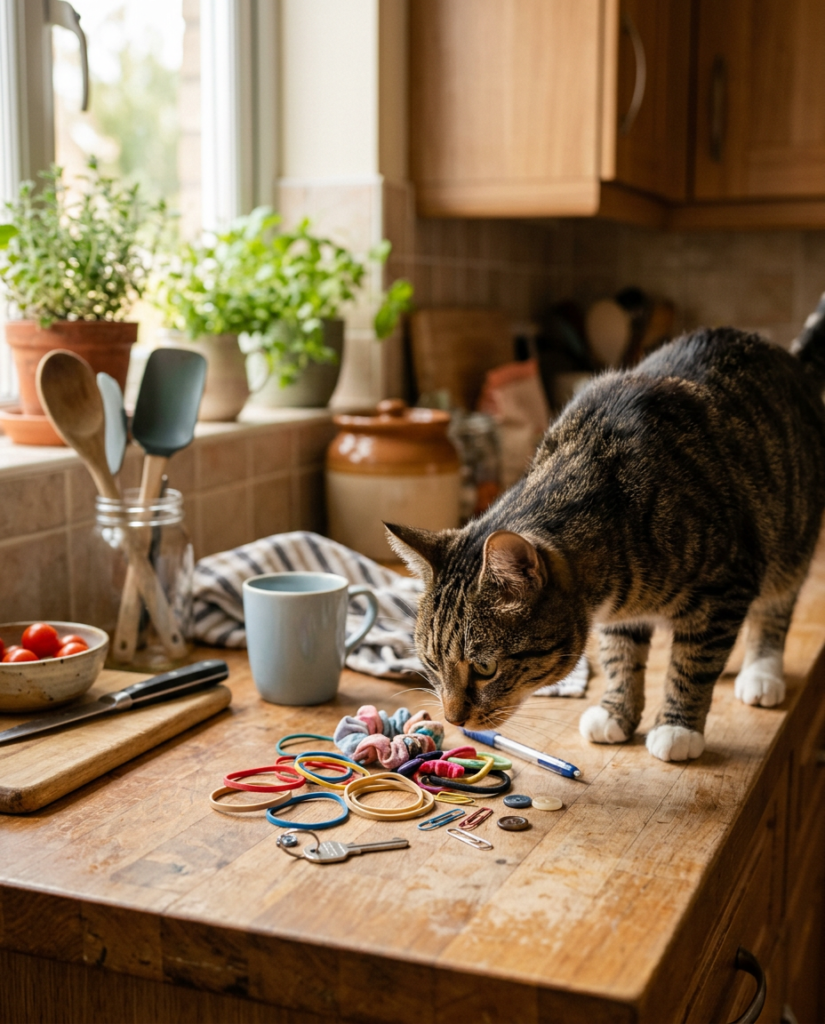
13. Keep Dangerous Items Out of Reach
Cats are endlessly curious and will investigate anything within reach. Common household items that pose serious dangers to cats include rubber bands, hair ties, plastic bags, string, yarn, small batteries, coins, and medications. Store all medications in closed cabinets even a single pill of some common human medications can be fatal to a cat. Keep toilet lids closed as cats can fall in and struggle to get out. Make sure your washing machine and dryer are always closed when not in use as cats love to curl up inside warm appliances. A moment of curiosity can turn into a veterinary emergency, so taking time to cat-proof your home properly is always worth the effort.
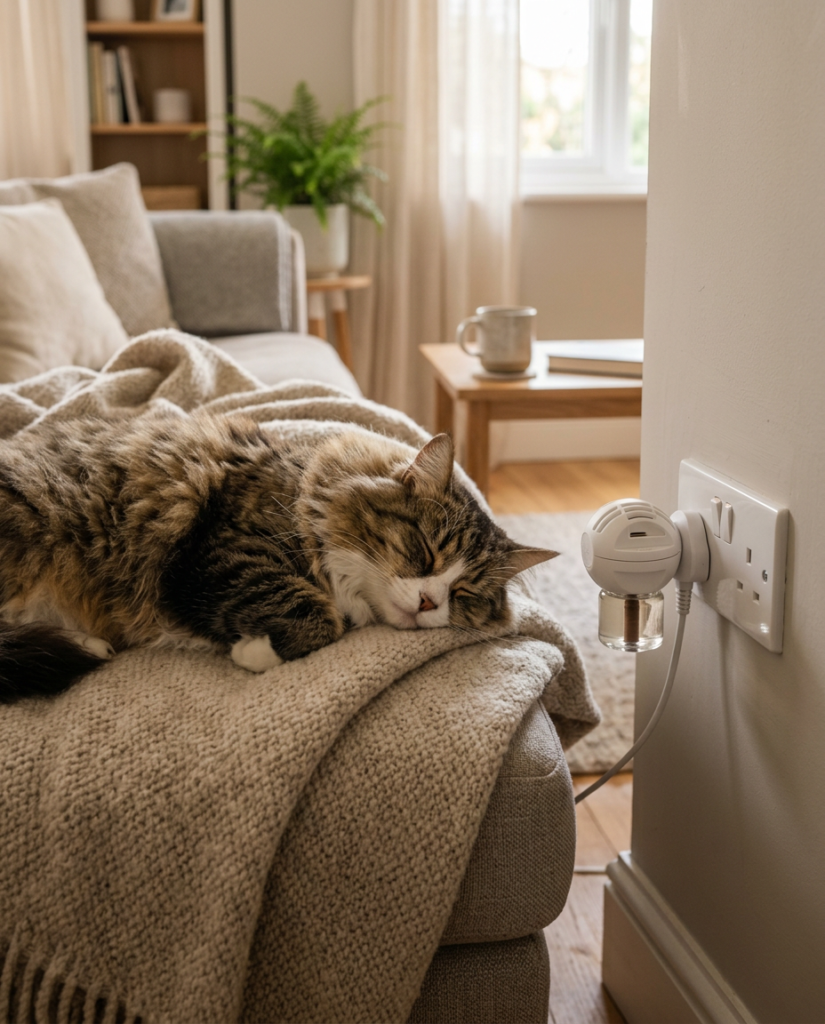
14. Introduce Calming Scents
Cats communicate largely through scent and a home that smells right to your cat is a home they feel comfortable in. Synthetic feline pheromone diffusers like Feliway can significantly reduce stress and anxiety in cats, especially in busy households or after changes like moving or introducing a new pet. Place diffusers in the rooms where your cat spends most of their time. Avoid strong artificial fragrances, heavily scented candles, and essential oil diffusers near your cat’s living areas. Instead, make sure your cat’s bedding carries familiar scents by washing it less frequently than your own bedding. A blanket that smells like you is one of the most comforting things you can give your cat.
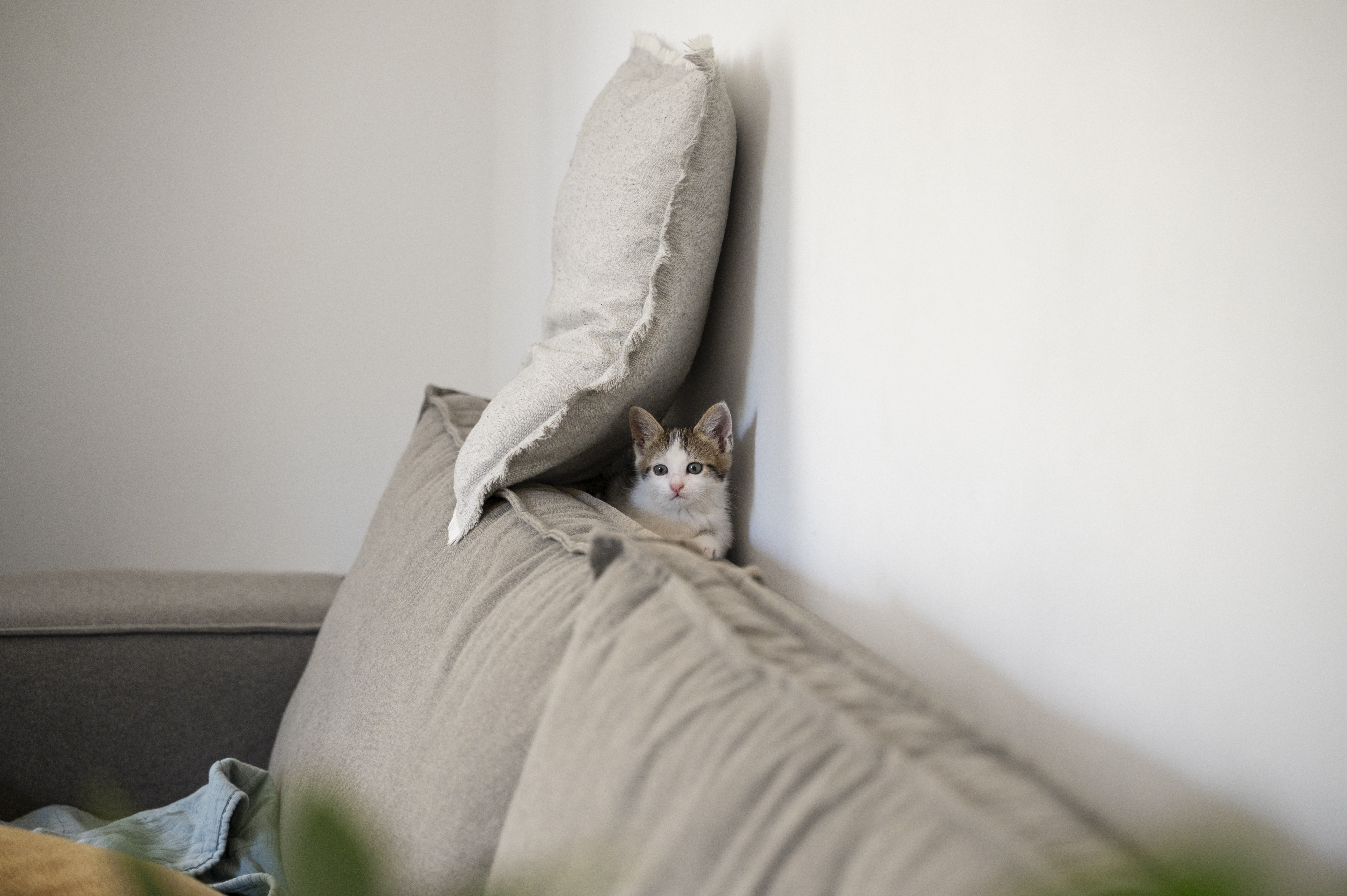
15. Respect Your Cat’s Personal Space
The most important thing you can do to make your home truly cat-friendly is to respect your cat as an individual with their own needs, preferences, and boundaries. Never force interaction when your cat doesn’t want it. Let your cat come to you on their own terms. Provide spaces where your cat can be completely alone and undisturbed. Avoid loud noises, sudden movements, and stressful situations as much as possible. Learn to read your cat’s body language so you know when they’re comfortable and when they need space. A home where a cat feels respected and safe is one where they will truly thrive — and a cat that feels secure is a cat that is affectionate, playful, and deeply bonded to their owner.
Making your home cat-friendly doesn’t require a complete renovation small changes make a huge difference. Start with two or three of these tips today and watch your cat’s happiness grow!