
8 Signs Your Cat Is in Pain
Cats are masters at hiding pain and discomfort it is one of the most deeply ingrained survival instincts in the feline world. By the time most owners notice something is wrong, their cat has often been suffering in silence for days or even weeks. Learning to recognize the subtle early signs of pain in your cat could genuinely save their life. Here are 8 signs your cat is in pain that every owner needs to know.
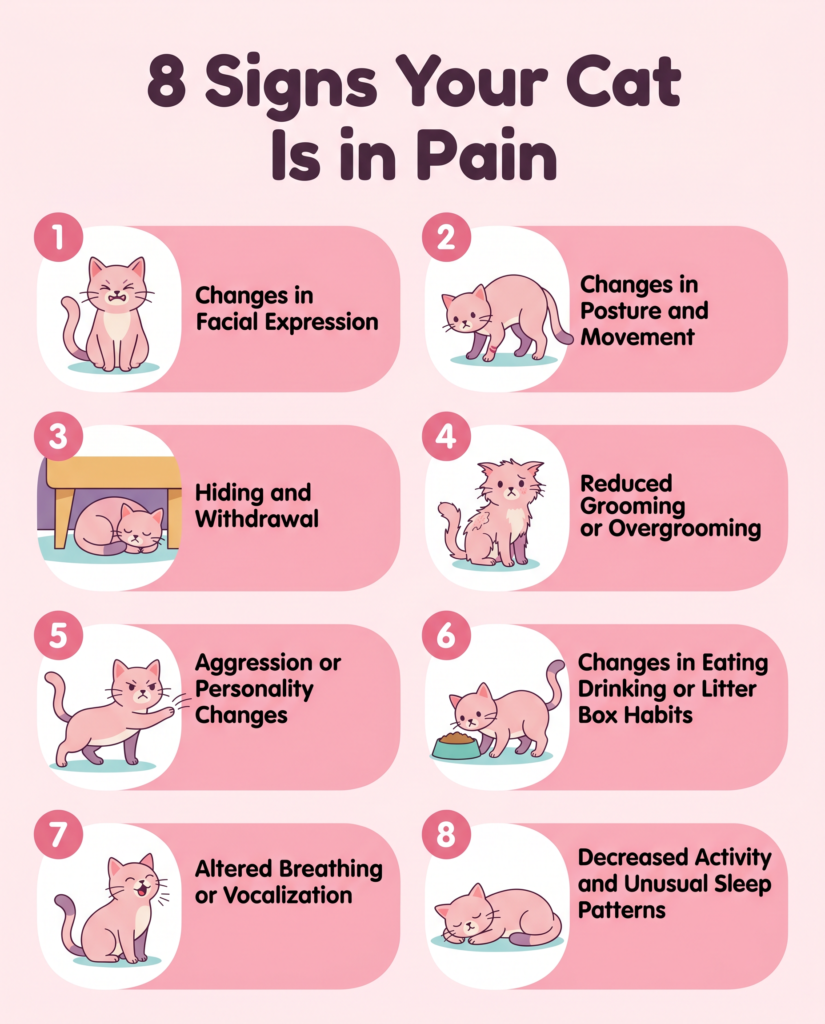
1. Changes in Facial Expression
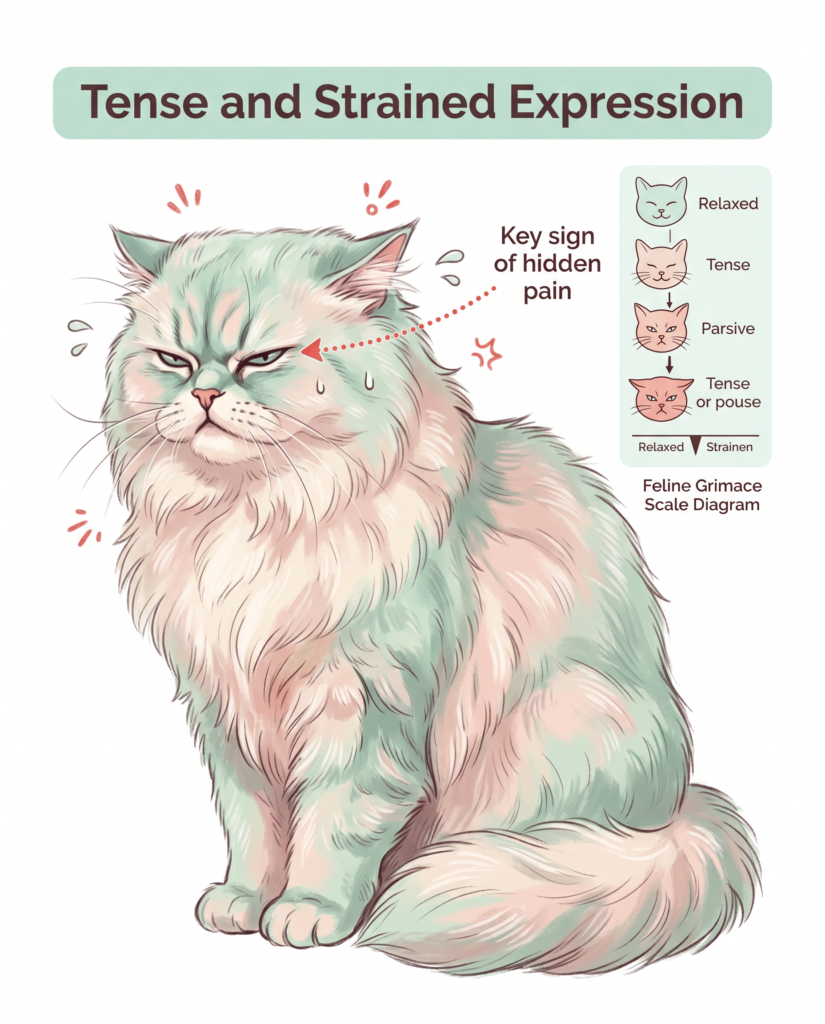
Cats in pain display subtle but consistent changes in their facial expression that are easy to miss if you don’t know what to look for. Researchers have developed a tool called the Feline Grimace Scale specifically to help veterinarians and owners identify pain through facial cues. A cat in pain will typically show orbital tightening the area around the eyes appears tense and slightly squinted rather than soft and relaxed. The ears are pulled slightly back and rotated outward rather than forward and alert. The whiskers are pulled back flat against the face rather than fanning naturally outward. The nose and cheeks appear tense, and the overall expression looks strained rather than neutral. Learning to read your cat’s normal relaxed facial expression makes it much easier to notice when something has changed. If your cat’s face consistently looks tense, strained, or uncomfortable, pain should be high on your list of possible explanations.
2. Changes in Posture and Movement
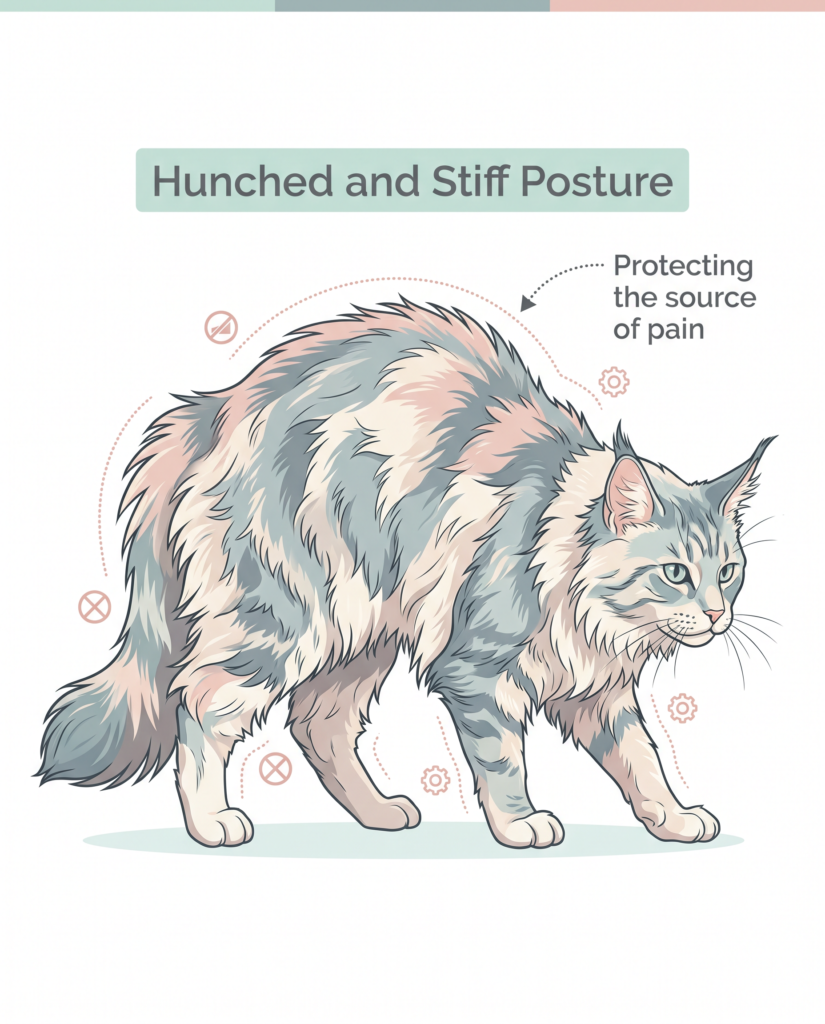
A cat in pain will often adopt characteristic postures that reflect their attempt to protect the source of discomfort. A cat with abdominal pain may hunch their back and tuck their belly upward. A cat with back or spinal pain may walk with an arched or stiffened back. A cat with joint pain may move more cautiously, hesitate before jumping, or stop jumping to their favorite high spots entirely. You might notice your cat is reluctant to climb stairs, has difficulty rising from a lying position, or holds one limb slightly raised. Any significant change in how your cat moves, sits, or positions their body especially if it appears to develop gradually warrants a veterinary examination. Cats are naturally graceful and fluid in their movements, and any stiffness or awkwardness is meaningful.

3. Hiding and Withdrawal
A cat who suddenly starts spending significantly more time hiding in unusual places under the bed, inside closets, in the back of cupboards is almost certainly not feeling well. Hiding is one of the most instinctive responses a cat has to pain or illness. In the wild, a sick or injured animal that is visible is a vulnerable target for predators. The instinct to hide when unwell is so deeply ingrained that even completely domestic cats who have never faced a predator in their lives will retreat and hide when they are suffering. If your normally social and accessible cat has suddenly become reclusive and difficult to find, take it seriously. This behavioral change especially when combined with other signs almost always indicates that something is physically wrong.
4. Reduced Grooming or Overgrooming a Specific Area
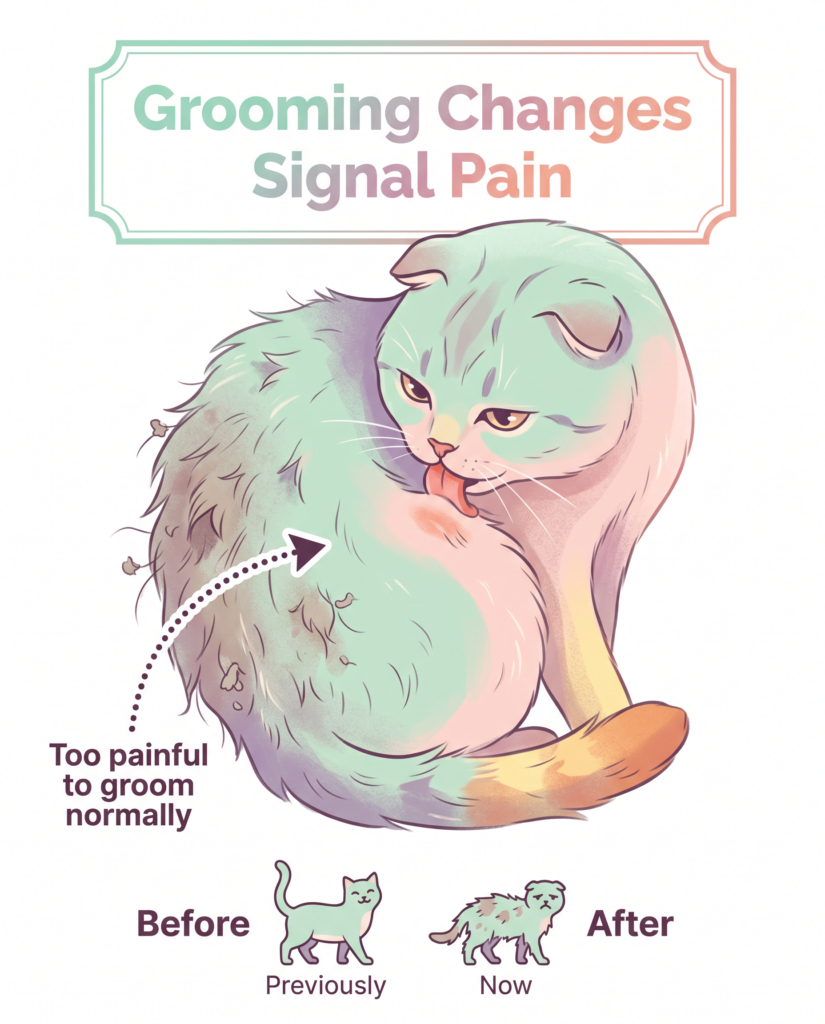
Changes in grooming behavior are one of the most reliable indicators that a cat is experiencing pain somewhere in their body. A cat in generalized pain or discomfort will often reduce their overall grooming their coat becomes dull, matted, or unkempt because maintaining it has become too physically demanding or uncomfortable. On the other end of the spectrum, a cat who is obsessively licking, chewing, or grooming a specific area of their body is almost certainly experiencing pain or irritation in that location. Cats instinctively lick wounds and areas of discomfort it is a soothing response. If you notice a bald patch, redness, or raw skin developing in an area your cat is paying excessive attention to, that area needs to be examined by a vet. Always investigate sudden changes in grooming habits rather than dismissing them.
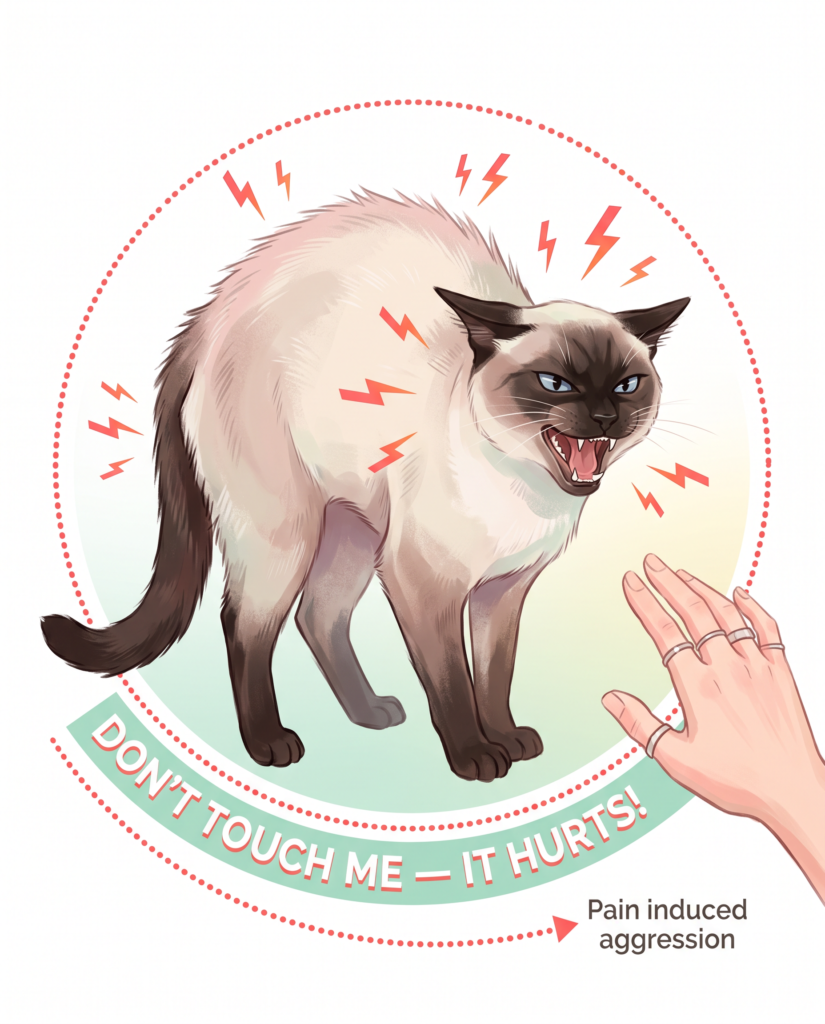
5. Aggression or Personality Changes
A normally gentle, friendly cat who suddenly becomes aggressive hissing, growling, scratching, or biting when touched or approached is very often a cat who is in pain. Pain dramatically lowers a cat’s tolerance threshold, meaning things that were previously comfortable being picked up, stroked in certain areas, or even approached become unbearable. This is called pain-induced aggression and it is one of the most frequently misunderstood behavioral changes in cats. Owners often assume their cat has simply become difficult or aggressive without considering that pain may be the underlying cause. If your cat reacts strongly to being touched in a specific area, that reaction is telling you something important about where the pain is located. Never punish a cat for pain-induced aggression address the pain and the behavior will resolve.
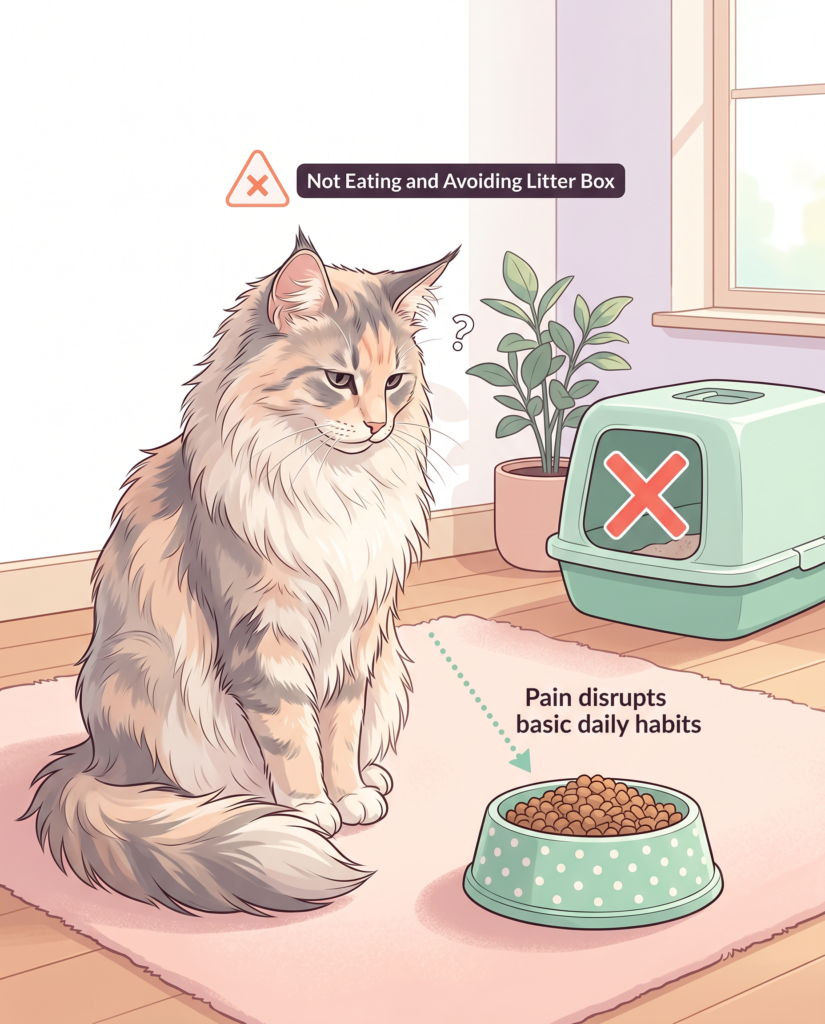
6. Changes in Eating, Drinking, or Litter Box Habits
Pain has a direct and measurable impact on a cat’s basic daily functions. A cat in pain may lose interest in food entirely, eat significantly less than normal, or show difficulty chewing dropping food, chewing only on one side of the mouth, or approaching the bowl and then backing away. Reduced water intake often accompanies reduced food intake. Changes in litter box habits are particularly significant a cat who is in pain may urinate or defecate outside the litter box because getting in and out of the box is too painful, or because they associate the box itself with painful experiences such as urinary discomfort. Any significant and unexplained change in eating, drinking, or elimination habits should always be evaluated by a veterinarian promptly rather than waited out.
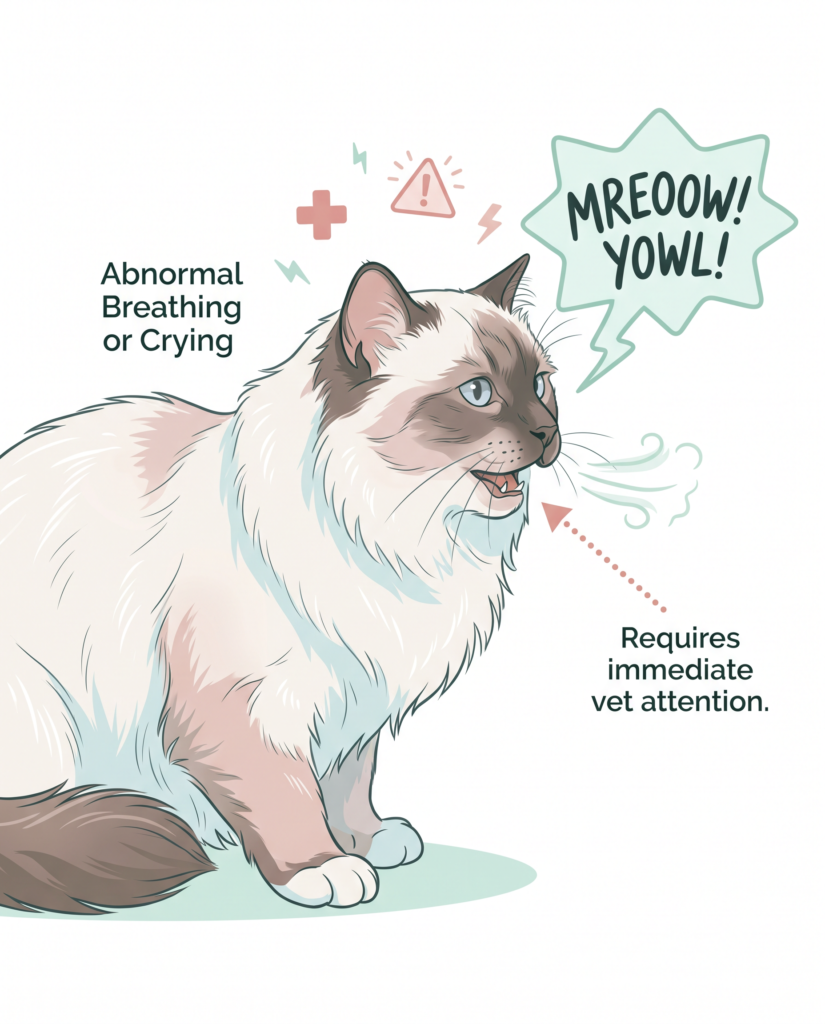
7. Altered Breathing or Vocalization
Changes in breathing patterns can be a significant indicator of pain, particularly pain associated with the chest, abdomen, or respiratory system. A cat in pain may breathe more rapidly than normal, breathe with visible effort, or breathe with their mouth open all of which are abnormal in cats and require immediate veterinary attention. Increased vocalization crying, yowling, or growling, particularly when moving, being touched, or using the litter box is another important pain signal. Some cats become unusually quiet and stop vocalizing altogether when in severe pain, as if conserving energy. Any significant and unexplained change in your cat’s breathing pattern or vocalization habits, particularly if accompanied by other signs on this list, should be treated as a potential emergency.
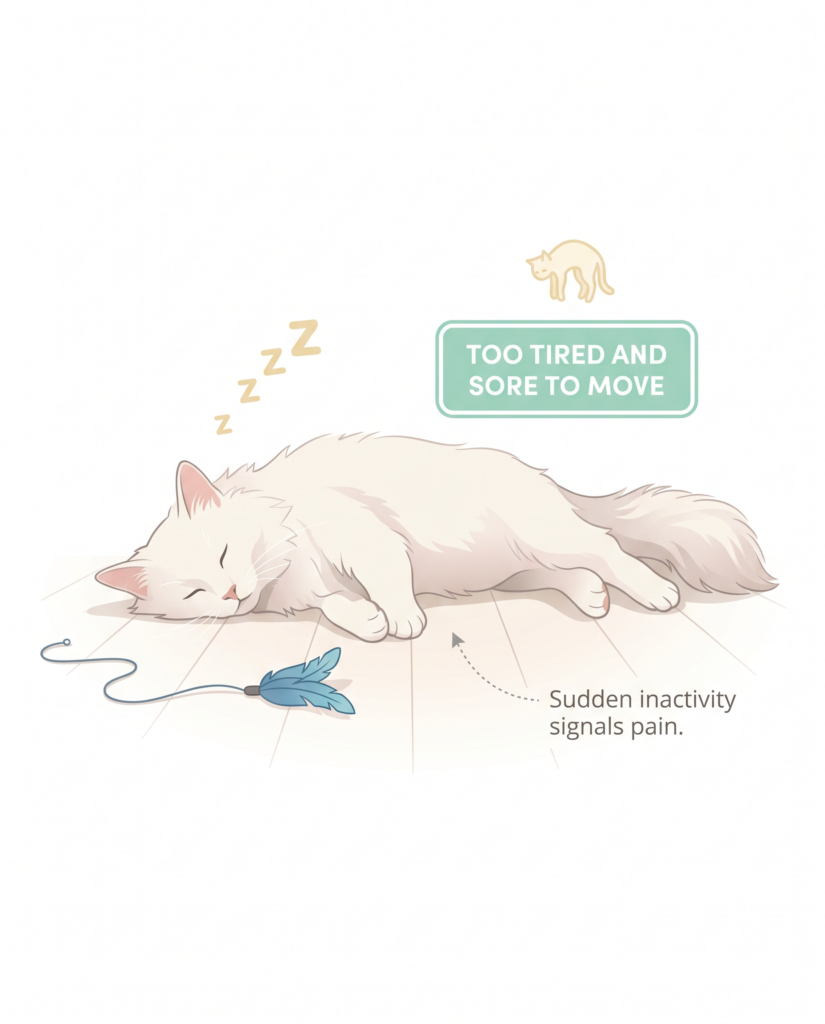
8. Decreased Activity and Unusual Sleep Patterns
A cat in pain will typically become significantly less active than their normal baseline. They may stop playing entirely, show no interest in toys or activities they previously enjoyed, and spend much more time resting or sleeping than usual. The quality of their sleep may also change a painful cat often cannot get comfortable and may shift position frequently, wake easily, or rest in unusual positions that relieve pressure on the painful area. You might also notice your cat is spending time in unusual resting spots no longer jumping to their favorite high perch, for example, but choosing to rest on the floor instead. Reduced activity in a cat is never simply laziness it is always meaningful. A cat who was previously active and playful and has suddenly become lethargic and inactive needs to be seen by a veterinarian.
If your cat is showing one or more of these signs consistently, do not wait and see. Cats hide pain instinctively and by the time signs become obvious, they have often been suffering for some time. Always consult your veterinarian promptly — early intervention leads to better outcomes and less suffering for your cat.
⚠️ Veterinary Disclaimer This article is for informational purposes only and does not constitute veterinary advice. If you believe your cat is in pain, please consult a qualified veterinarian immediately.