
12 Ways to Get Your Cat to Drink More Water
Most cats are chronically dehydrated and their owners have no idea. Cats evolved in dry environments and have a naturally low thirst drive, which means they rarely drink as much water as their bodies actually need. Over time, this silent dehydration puts enormous strain on the kidneys and urinary system. The good news? There are simple, proven ways to get even the most water-resistant cat drinking more every single day. Here are 12 strategies that actually work.
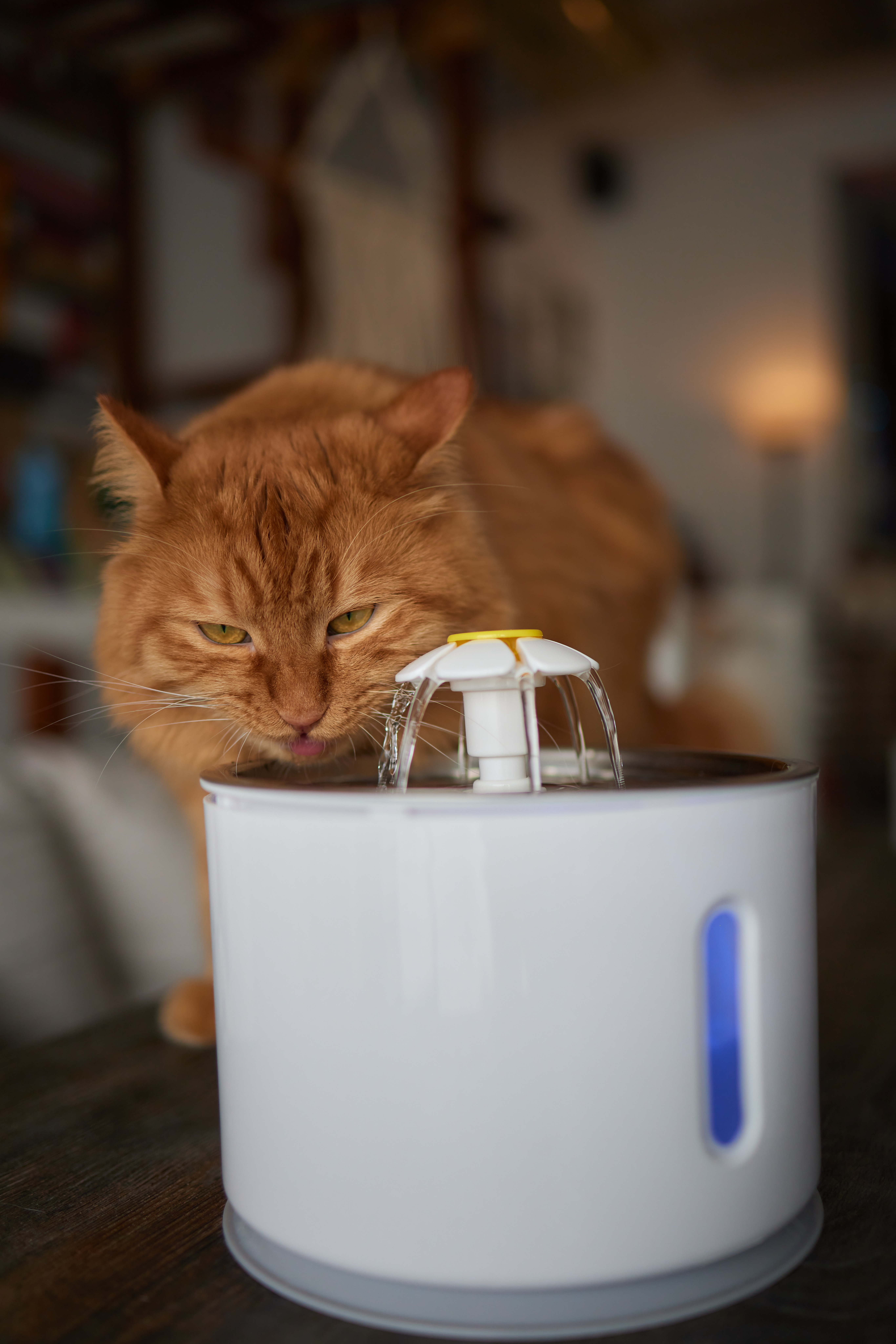
1. Switch to a Cat Water Fountain
Cats are instinctively attracted to moving water. In the wild, running water is fresher and safer than stagnant water, and your cat’s instincts still reflect this. A cat water fountain continuously circulates water, keeping it fresh, oxygenated, and appealing. Many cats who completely ignore their water bowl will drink enthusiastically from a fountain. Fountains also filter the water as it circulates, removing impurities and keeping it cleaner for longer. There are many affordable options available ceramic and stainless steel fountains are the most hygienic choices as they don’t harbor bacteria the way plastic ones can. If your cat currently drinks very little water, investing in a fountain is one of the single most effective changes you can make. Most cat owners report a significant increase in their cat’s water intake within just a few days of introducing a fountain.
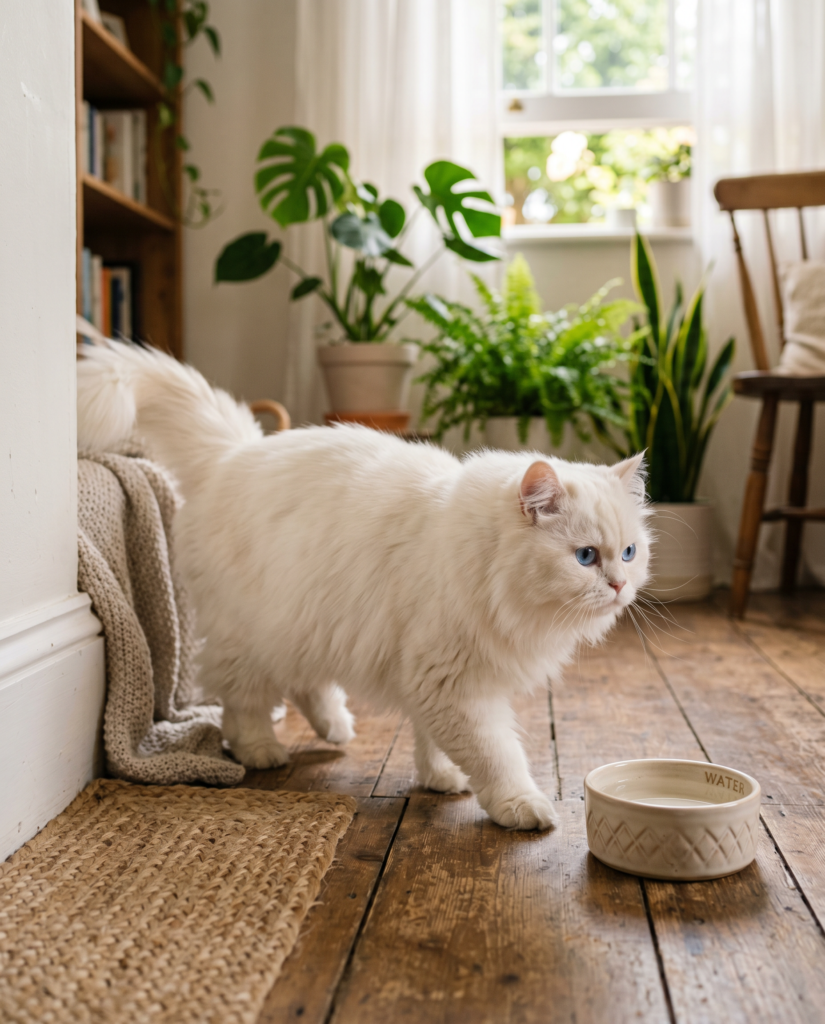
2. Place Water Bowls in Multiple Locations
Many cats simply won’t walk across the house to drink water when they are thirsty. Placing multiple water bowls in different rooms and locations dramatically increases the chances that your cat will drink throughout the day. Try placing bowls in your cat’s favorite resting spots, near their sleeping areas, and in quiet corners away from high traffic zones. Having water readily available wherever your cat spends time removes any barrier between them and hydration. In multi-cat households this is especially important some cats feel intimidated drinking near other cats and will avoid the water bowl entirely if it’s in a shared space. Experiment with different locations and observe where your cat drinks most frequently, then add more bowls in similar spots.
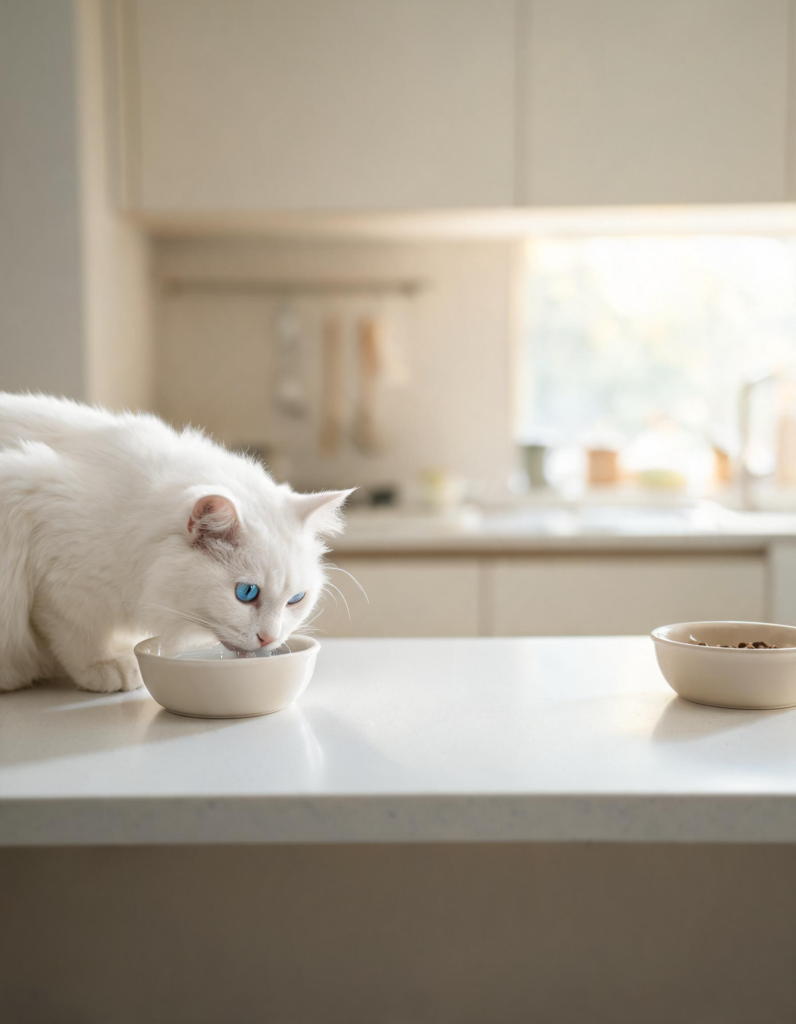
3. Keep Water Bowls Away From the Food Bowl
This is one of the most overlooked reasons why cats don’t drink enough. In nature, cats instinctively avoid water sources near their prey because a carcass can contaminate nearby water. This instinct carries over to domestic cats many will avoid a water bowl placed directly next to their food. Move the water bowl to a completely separate location from the food bowl and you may notice an immediate increase in drinking. Even placing them just a few feet apart can make a significant difference. Ideally, water and food should be in different rooms or at least on opposite sides of the room. This simple change costs nothing and can have a surprisingly big impact on your cat’s hydration.
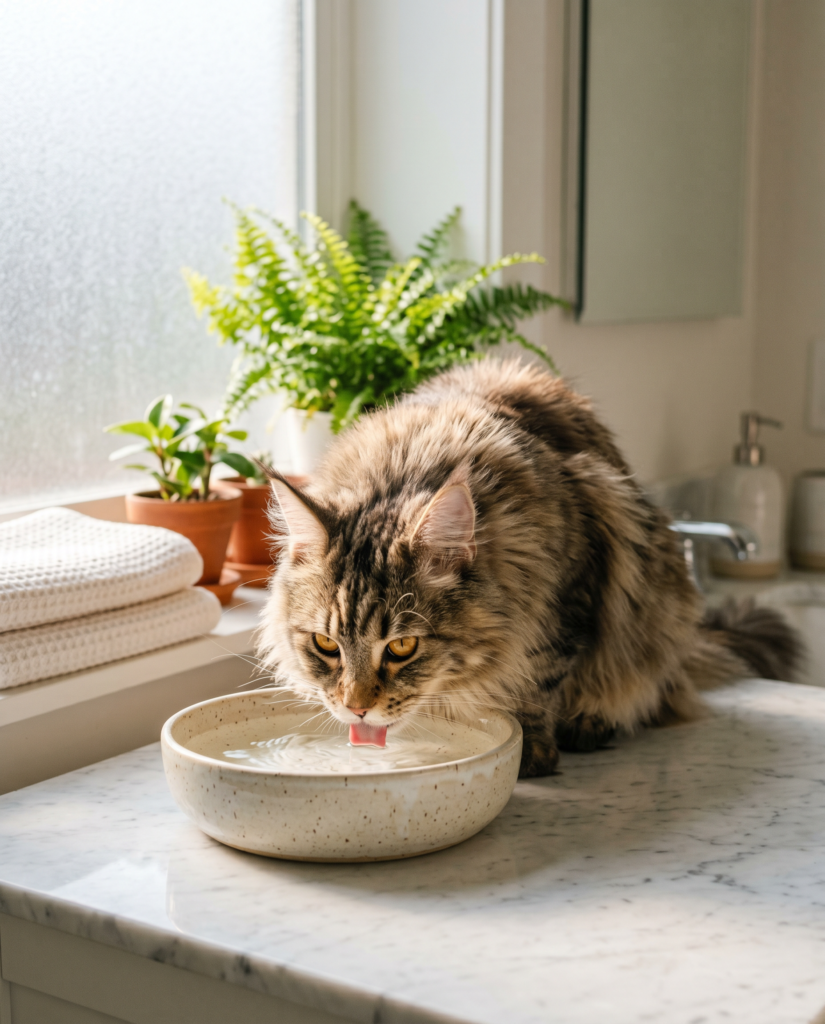
4. Use Wide and Shallow Water Bowls
The shape of the bowl matters more than most cat owners realize. Cats have very sensitive whiskers and dislike having them touch the sides of a bowl while eating or drinking a phenomenon known as whisker fatigue. Deep or narrow bowls force your cat’s whiskers against the sides, which can be uncomfortable enough to put them off drinking entirely. Switch to wide, shallow bowls that allow your cat to drink without their whiskers touching anything. Many cats show an immediate preference for wider bowls. The material also matters stainless steel and ceramic bowls are preferred over plastic as they don’t develop scratches that harbor bacteria and don’t leach chemicals into the water.
5. Change the Water at Least Once a Day
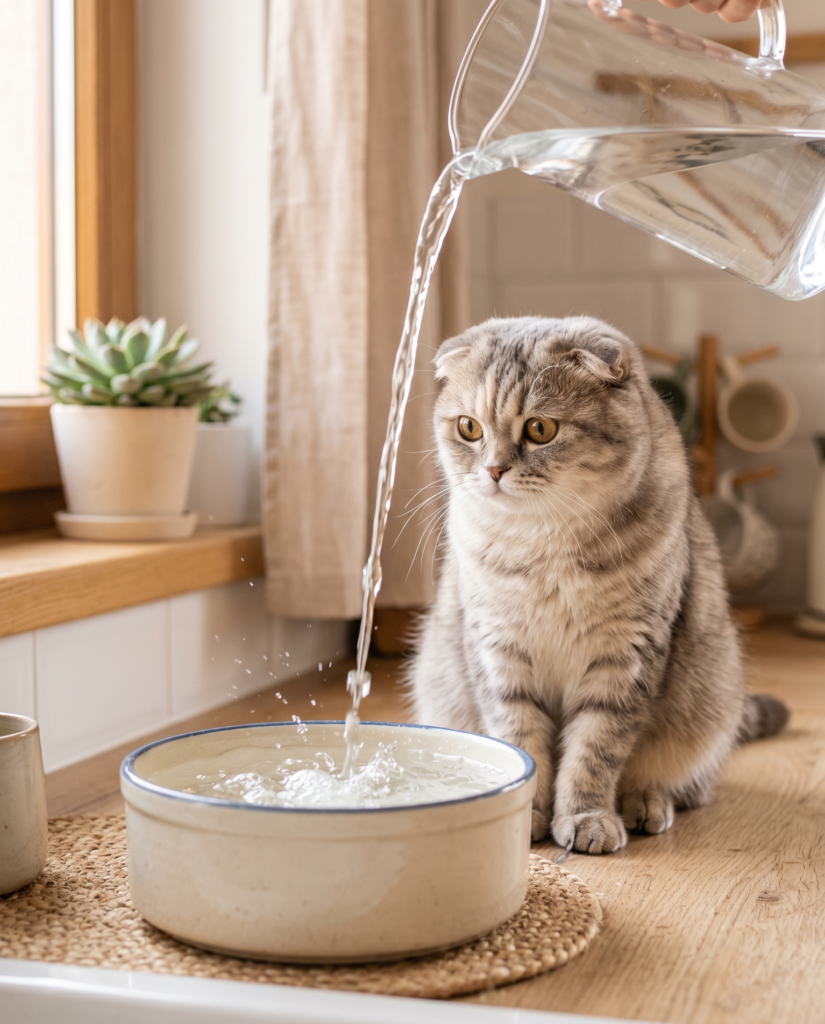
Cats are extremely sensitive to the smell and taste of their water. Even water that looks clean to you can smell stale or unpleasant to your cat after just a few hours. Make it a habit to change your cat’s water completely at least once a day twice a day is even better. Always wash the bowl with soap and warm water before refilling it to remove any biofilm or residue that builds up. Cats will consistently choose fresh water over water that has been sitting for hours. If you notice your cat drinking from the tap or from puddles outside while ignoring their bowl, it’s a clear sign they find their bowl water unappealing. Fresh water changed regularly is one of the simplest ways to encourage better hydration.
6. Try Different Types of Water
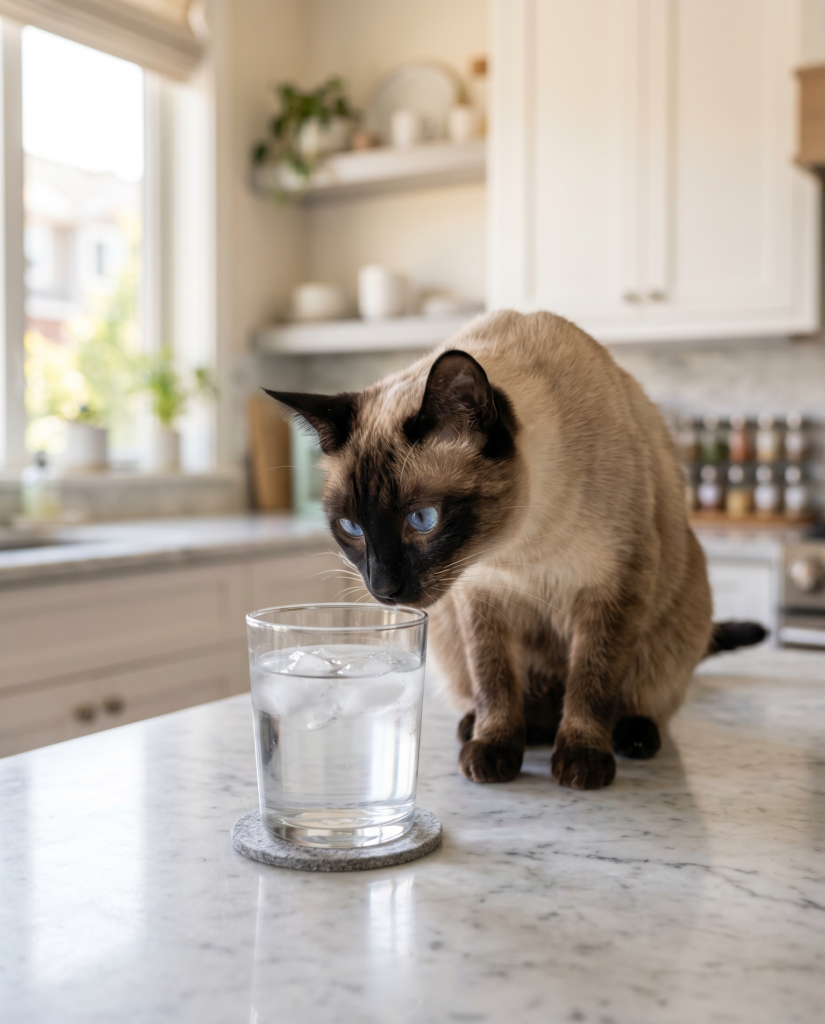
Some cats are surprisingly picky about the type of water they drink. If your tap water is heavily chlorinated or has a strong smell, your cat may refuse it. Try offering filtered water, bottled water, or water that has been left to sit for a few hours so the chlorine dissipates. Some cats actually prefer slightly cool water try adding a couple of ice cubes to the bowl on warm days to see if your cat shows more interest. Others prefer room temperature water. Experiment with different options to find what your individual cat prefers. What works for one cat may not work for another the key is to pay attention to your cat’s specific preferences and adjust accordingly.
7. Add Wet Food to Their Diet
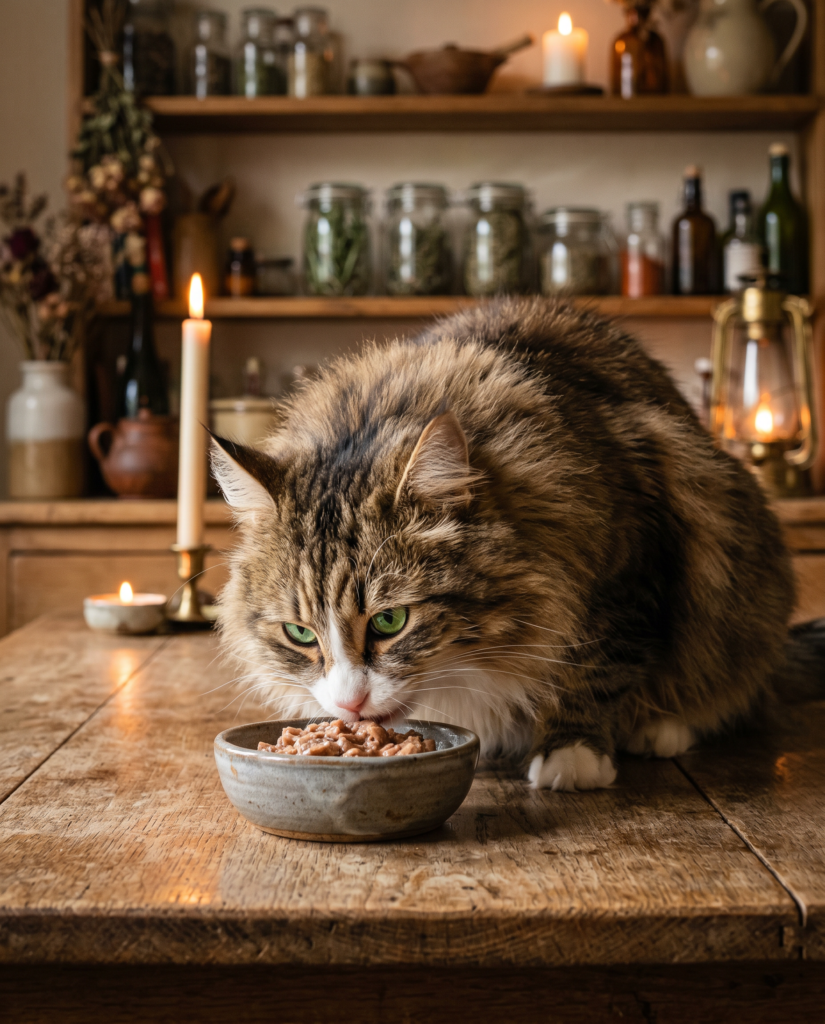
One of the most effective ways to increase your cat’s overall fluid intake is to incorporate wet food into their diet. Wet cat food contains approximately 70-80% moisture compared to dry kibble which contains only about 10%. Cats who eat exclusively dry food need to drink significantly more water to compensate, and many simply don’t drink enough to make up the difference. Switching to wet food or adding it as a supplement to dry food can dramatically improve your cat’s hydration without them needing to drink more water at all. Even one wet food meal per day makes a noticeable difference. If your cat is reluctant to transition to wet food, try mixing a small amount with their dry food and gradually increase the ratio over time.
8. Add Water or Broth to Their Food
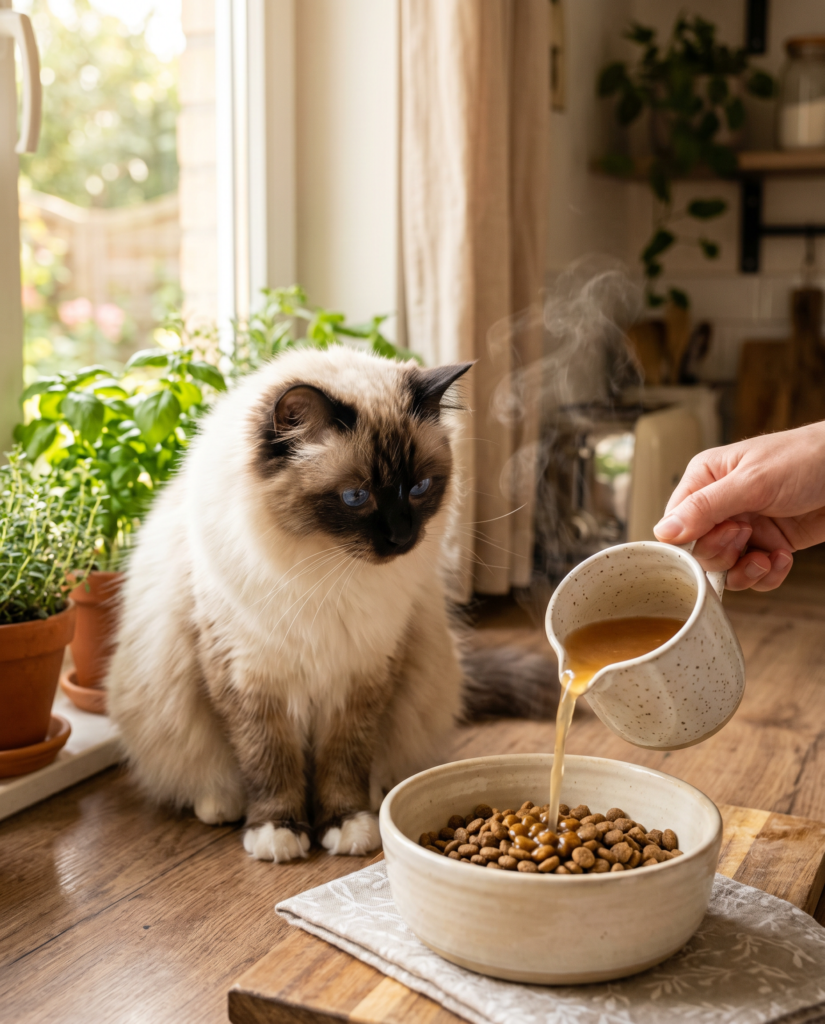
If your cat is resistant to wet food, another effective trick is to add a small amount of water or low-sodium chicken broth directly to their dry or wet food. Many cats will eat their food more enthusiastically when it has a little extra moisture and flavor added. Make sure any broth you use is completely free of onion, garlic, and salt these are toxic to cats. You can also make your own simple cat-safe broth by boiling plain chicken in water and letting it cool completely before adding it to food. Start with just a teaspoon of added liquid and increase gradually. This is a particularly useful strategy for cats who refuse wet food but need more moisture in their diet.
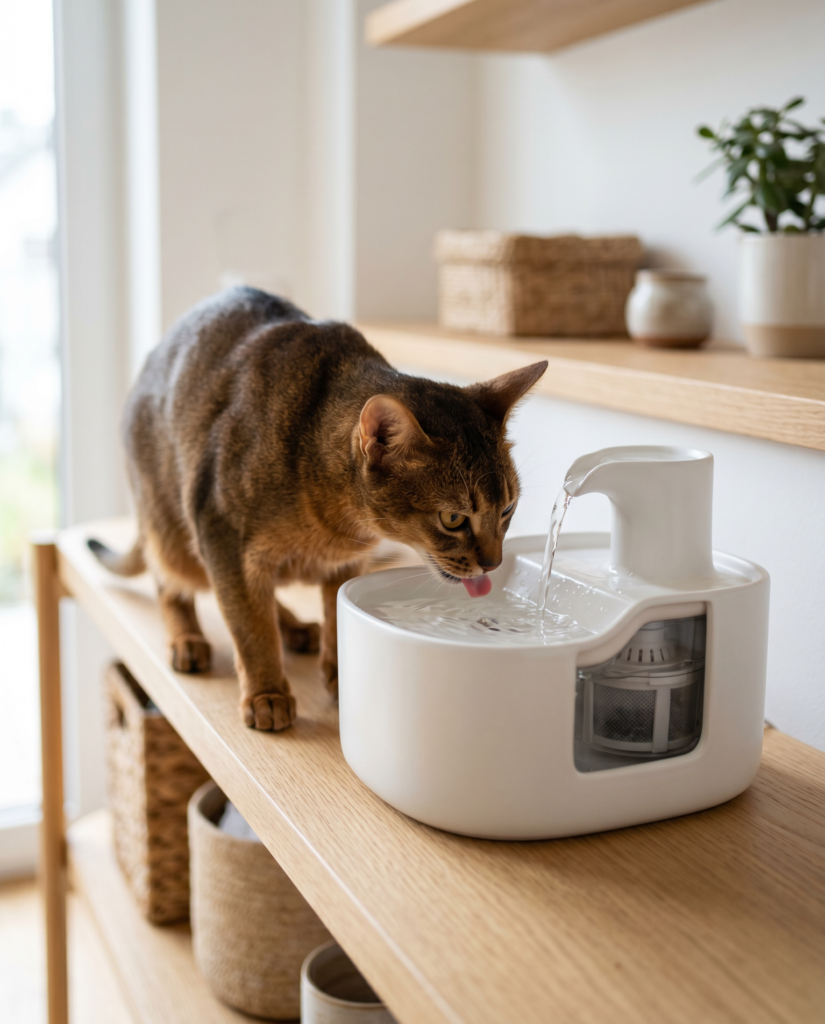
9. Use a Cat Drinking Fountain With a Filter
Not all cat fountains are equal. A fountain with a built-in filtration system keeps the water significantly fresher and more appealing than a basic recirculating fountain. Carbon filters remove chlorine, heavy metals, and other impurities that can affect the taste and smell of water. Replace the filter regularly according to the manufacturer’s instructions a clogged or old filter can actually make the water less appealing rather than more. Ceramic fountains with filters are the gold standard they are hygienic, durable, and keep water at an ideal temperature. Many cat owners find that upgrading from a basic bowl to a filtered fountain is the single most effective change they make for their cat’s hydration.
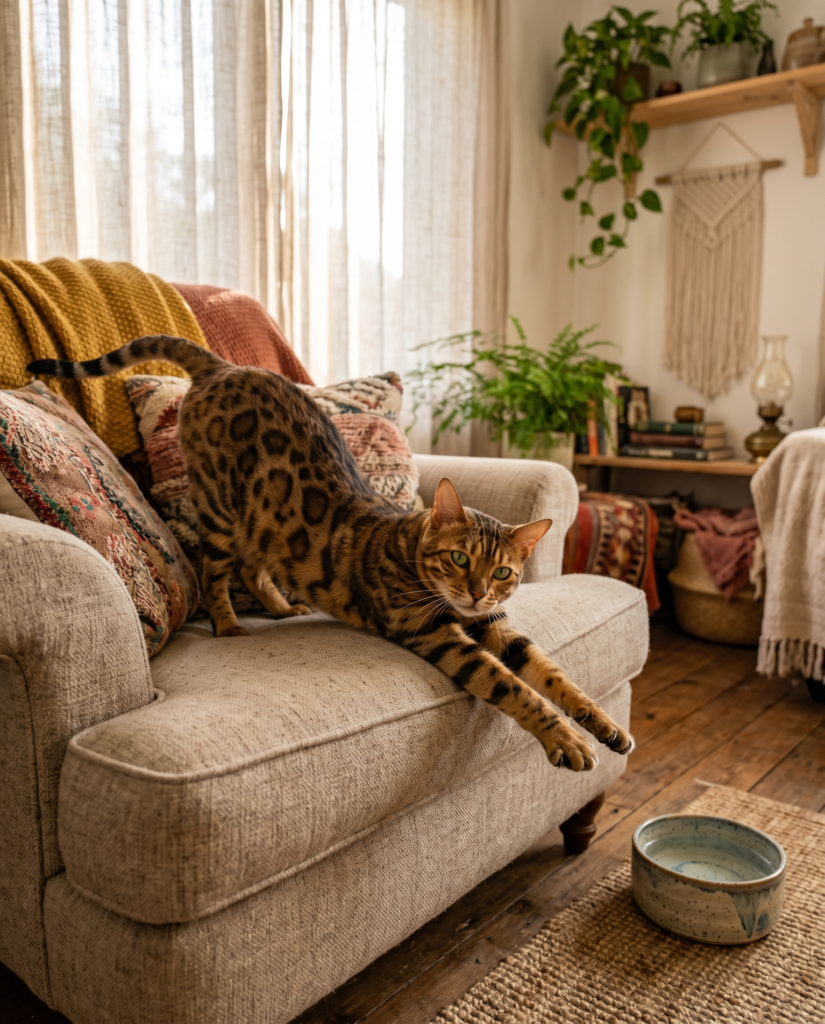
10. Place a Bowl Near Your Cat’s Favorite Resting Spot
Cats are creatures of comfort and convenience. If drinking water requires your cat to travel far from where they are resting, they simply won’t bother. Observe where your cat spends most of their time throughout the day their favorite chair, a sunny windowsill, a cozy corner and place a water bowl right there. The closer the water is to where your cat already is, the more likely they are to take a sip when they feel mildly thirsty rather than waiting until they are very thirsty to make the journey to a distant bowl. This is especially important for older cats or cats with mobility issues who find it more difficult to move around the house.
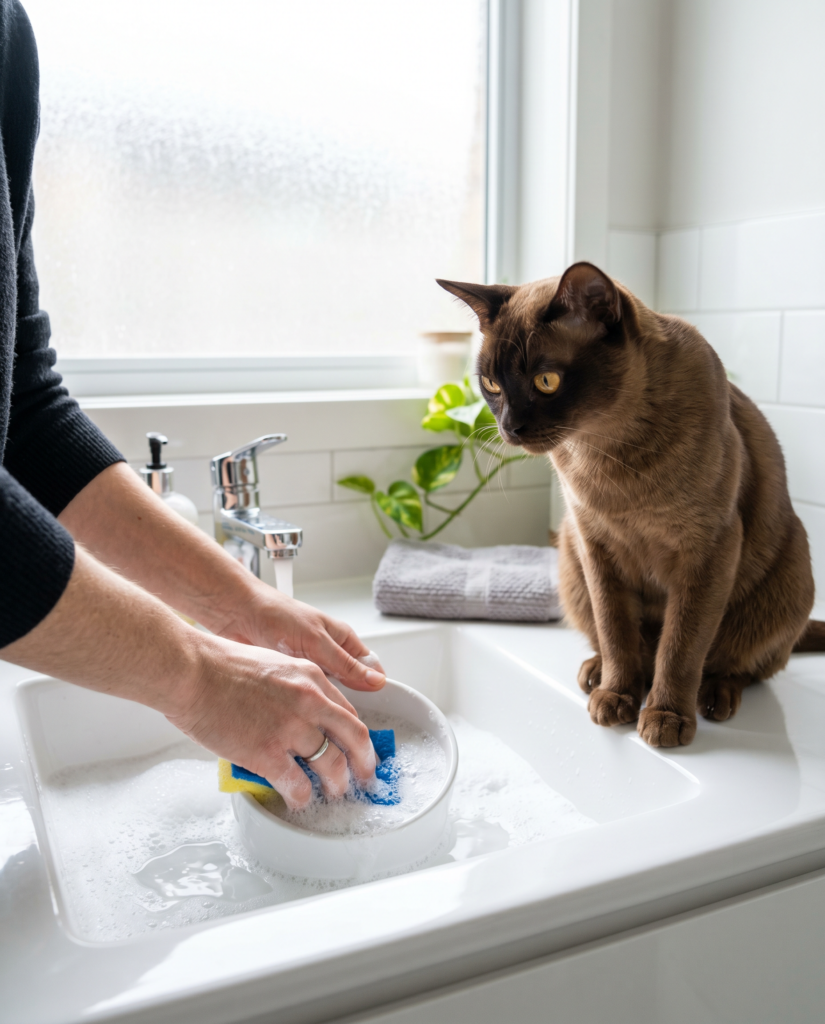
11. Keep the Water Bowl Sparkling Clean
Cats have an incredibly sensitive sense of smell far more powerful than ours. A bowl that smells of old water, soap residue, or bacteria will be avoided even if the water itself looks perfectly clean. Wash your cat’s water bowl thoroughly every single day with hot water and mild unscented dish soap, then rinse it completely to remove any soap residue. Replace plastic bowls regularly as they develop microscopic scratches over time that harbor bacteria no matter how well you clean them. Stainless steel and ceramic bowls are much easier to keep truly clean. A sparkling clean bowl filled with fresh water is one of the most basic but most effective ways to encourage your cat to drink more.
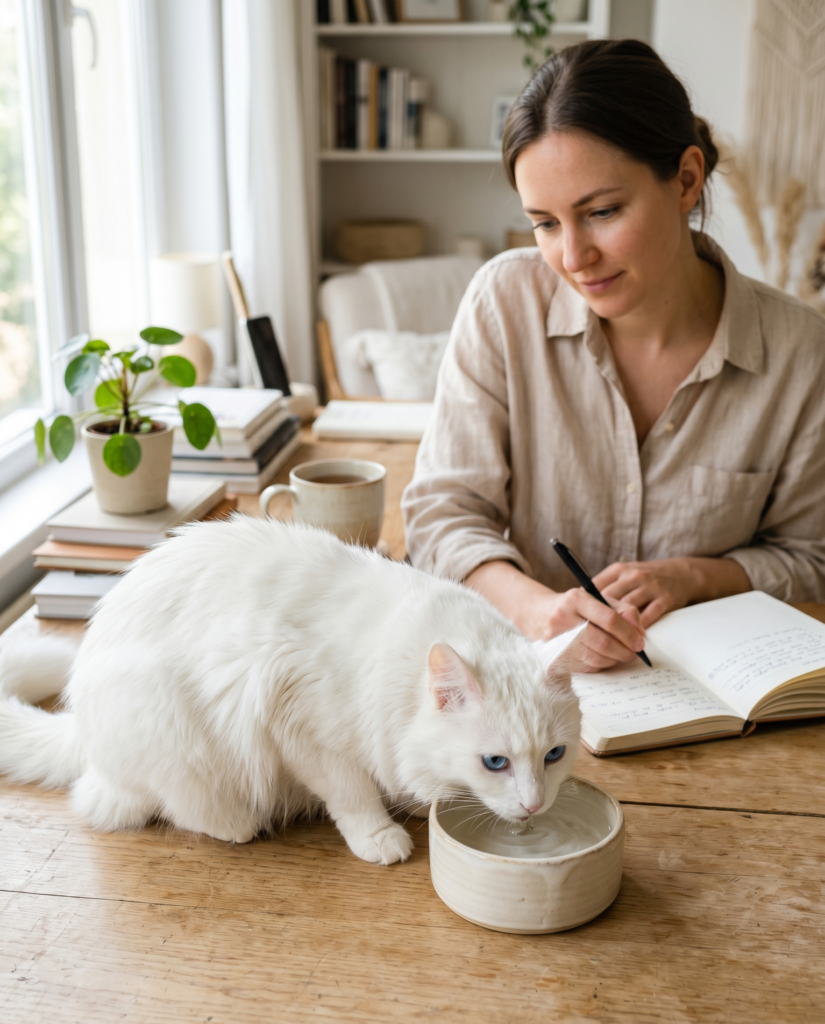
12. Monitor Your Cat’s Water Intake
Knowing how much water your cat normally drinks makes it much easier to spot early signs of dehydration or illness. A healthy cat typically drinks about 60ml of water per kilogram of body weight per day though cats eating wet food will naturally drink less. Pay attention to your cat’s normal drinking habits so you notice quickly if they suddenly start drinking significantly more or less than usual. Both can be signs of underlying health issues. Increased thirst can indicate diabetes, kidney disease, or hyperthyroidism. Decreased thirst combined with lethargy or dry gums can signal dehydration. If you notice significant changes in your cat’s drinking habits, consult your vet promptly. Regular monitoring is a simple habit that can help you catch health problems early.
Keeping your cat well hydrated is one of the most important things you can do for their long-term health. Start with one or two of these tips today and observe how your cat responds.