
12 Cat Grooming Mistakes Owners Make
Most cat owners groom their cats with the best intentions but even the most loving owners make grooming mistakes that can cause discomfort, damage the coat, or create lasting negative associations. Here are 12 of the most common cat grooming mistakes and exactly what to do instead.
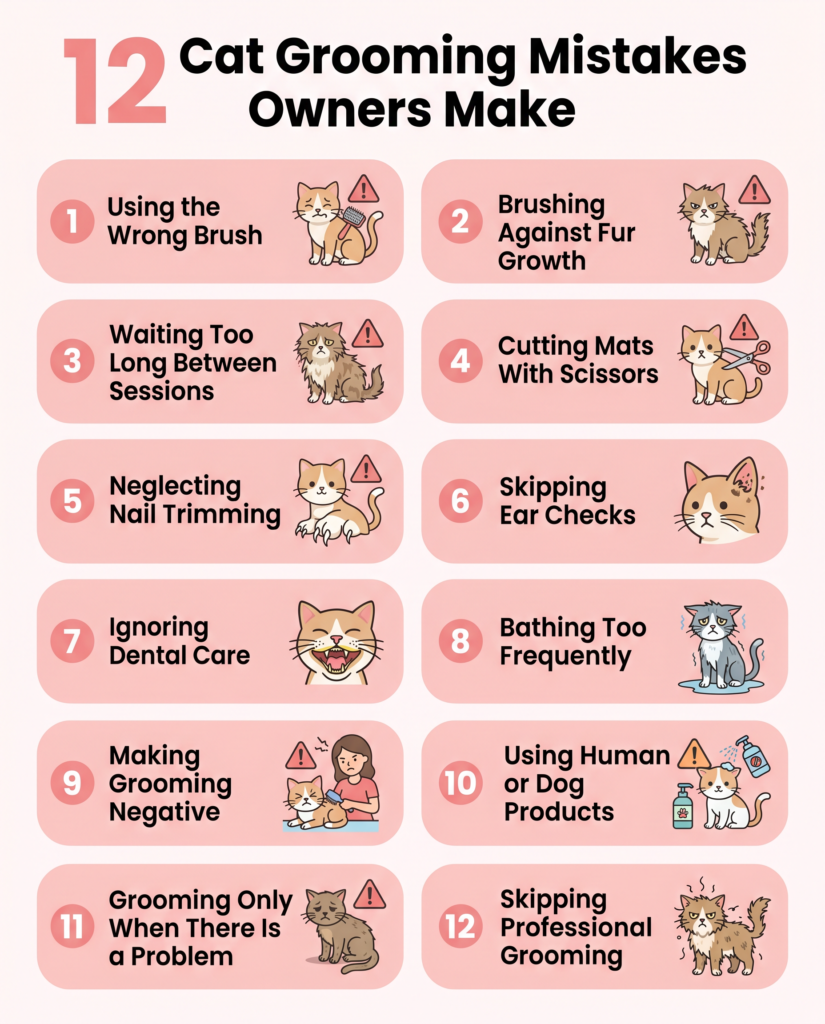
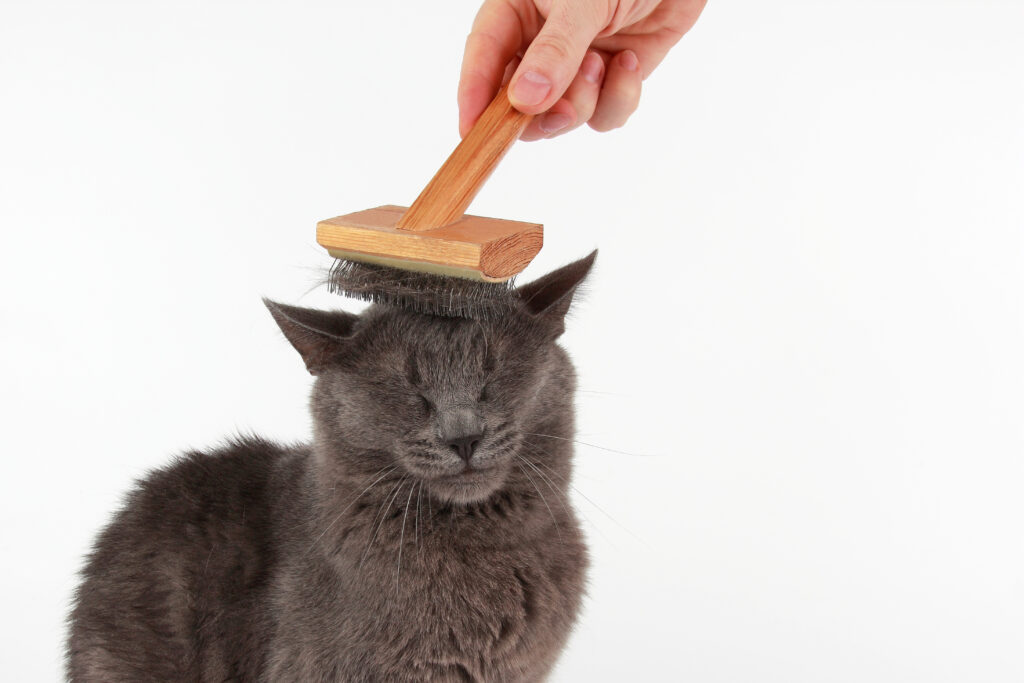
1. Using the Wrong Brush for Their Coat Type
One of the most fundamental grooming mistakes is reaching for whatever brush is available rather than the one that is actually appropriate for your cat’s specific coat type. A slicker brush designed for long-haired cats used on a short-haired cat can be uncomfortable and ineffective. A rubber grooming mitt that works beautifully on a short-haired cat will do almost nothing for a long-haired Persian who needs a wide-tooth comb to work through tangles. Using the wrong brush not only fails to do the job properly it can scratch the skin, damage the coat, and make the grooming experience unpleasant enough that your cat begins to resist future sessions. Take the time to research which grooming tools are appropriate for your specific cat’s coat length, texture, and shedding level, and invest in the right equipment from the start.

2. Brushing Against the Direction of Fur Growth
Brushing against the direction of fur growth from tail to head rather than head to tail is uncomfortable for cats and counterproductive for coat health. It tangles rather than detangles, pulls on the skin, and can cause static that makes the coat flyaway and difficult to manage. Always brush in the direction the fur naturally grows, using smooth, gentle strokes that follow the coat from head to tail and down the legs. When working through tangles, always start from the ends of the fur and work inward toward the skin never drag a comb through a tangle from the skin outward as this maximizes pulling and pain. Taking a few extra minutes to brush correctly every time makes a significant difference in both coat health and your cat’s willingness to be groomed.
3. Waiting Too Long Between Grooming Sessions
Many owners groom their cats reactively only reaching for the brush when they notice significant shedding, matting, or a dull coat. By this point, the grooming session is much harder and more unpleasant for both cat and owner than it would have been with regular maintenance. Prevention is always easier than correction in cat grooming. Short-haired cats need brushing 2-3 times per week and long-haired cats need daily brushing without exception. Waiting weeks between sessions allows dead fur to accumulate, mats to form, and nails to overgrow all of which make the inevitable grooming session longer, more uncomfortable, and more stressful. Building grooming into a regular routine short, positive sessions several times a week is far more effective than infrequent marathon sessions.
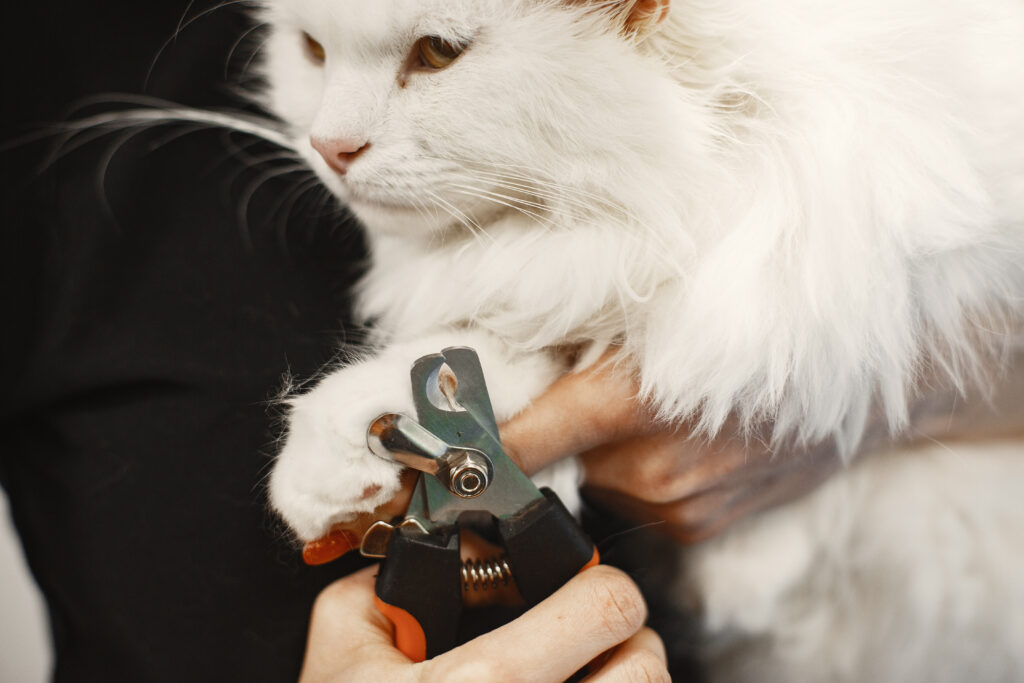
4. Cutting Mats With Scissors
Discovering a mat in your cat’s fur and reaching for a pair of scissors is one of the most dangerous grooming mistakes an owner can make. The skin beneath a mat is typically pulled much tighter and sits much closer to the surface than it appears from the outside. Cutting injuries from scissors are extremely common and can require veterinary treatment. Even experienced groomers treat mat removal with great caution. The correct approach is to apply a cat-safe detangling spray, allow it to penetrate for a minute, and then very slowly and gently work through the edges of the mat with a wide-tooth comb starting from the outside edges and working inward. For severe, widespread, or particularly tight mats, always consult a professional groomer or veterinarian rather than attempting to cut them out at home.
5. Neglecting Nail Trimming
Nail trimming is the grooming task that most cat owners avoid most consistently and the consequences of neglect can be serious. Overgrown nails curl as they grow and can eventually penetrate the paw pad, causing significant pain, infection, and in severe cases requiring surgical intervention. Beyond the health implications, overgrown nails are more likely to snag on fabrics and furnishings, causing the nail to tear an extremely painful injury. Most cats need their nails trimmed every 2-3 weeks. If you find nail trimming difficult or stressful for your cat, start by simply handling your cat’s paws regularly during calm moments so they become accustomed to having their feet touched. Introduce the clippers gradually and use high-value treats to build positive associations before attempting the first trim.
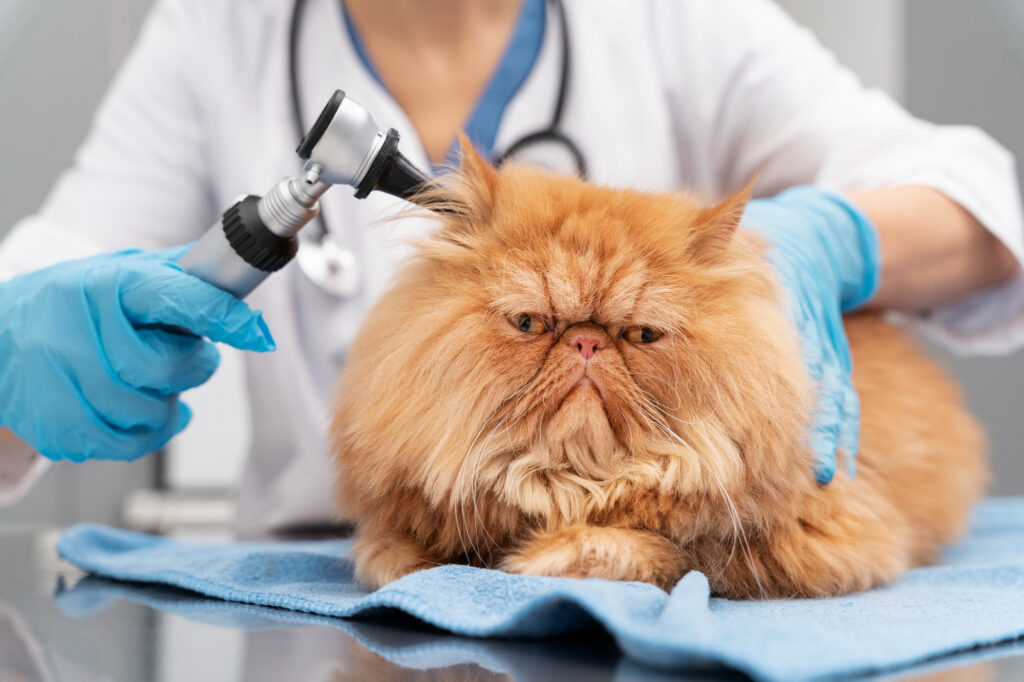
6. Skipping Ear Checks
Ears are one of the most overlooked areas in cat grooming. Many owners never look inside their cat’s ears unless there is an obvious problem by which point an infection or mite infestation may already be well established. Healthy cat ears should be pale pink, clean, and completely odor-free. Checking your cat’s ears weekly takes less than a minute and allows you to catch problems at the earliest and most treatable stage. Dark discharge, a strong smell, redness, swelling, or your cat frequently scratching at their ears are all signs that require veterinary attention before any home cleaning is attempted. For routine maintenance, a few drops of cat-safe ear cleaner on a cotton ball is all you need never insert anything into the ear canal.
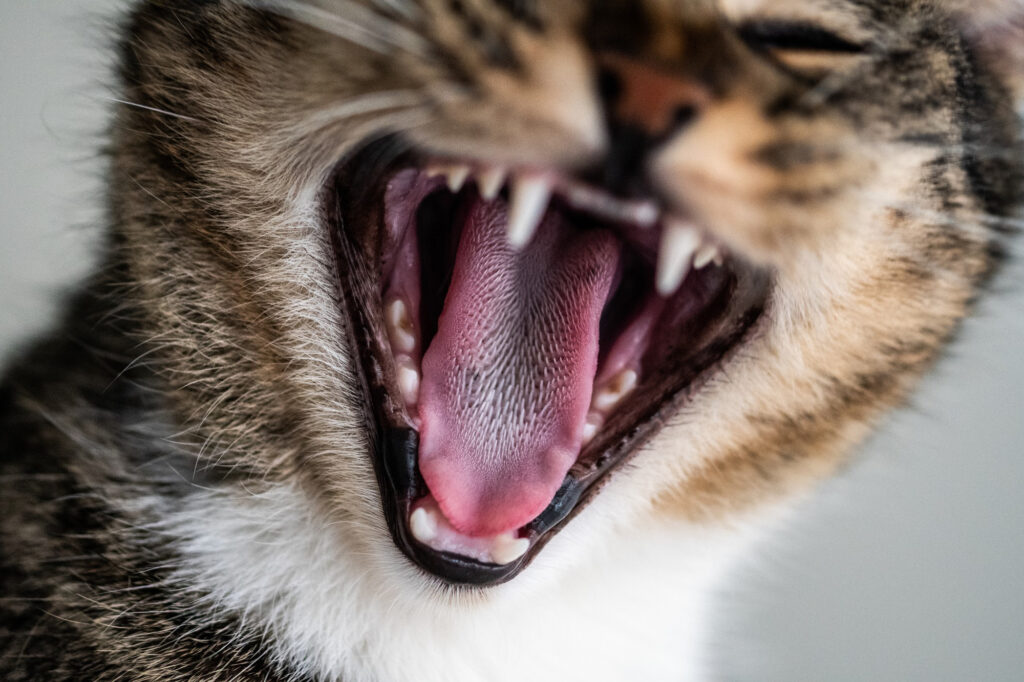
7. Ignoring Dental Care
Dental care is perhaps the most universally neglected aspect of cat grooming, with serious long-term health consequences. The majority of cats over age three have some degree of periodontal disease a painful, progressive condition that leads to tooth loss and allows bacteria to enter the bloodstream, potentially damaging the kidneys, liver, and heart. Despite this, most cat owners never brush their cat’s teeth and many don’t think about dental health until a problem becomes obvious. Start introducing dental care as early as possible ideally from kittenhood. Use cat-specific toothpaste and a cat toothbrush or finger brush. Even brief, irregular brushing is better than none at all. Schedule annual professional dental cleanings with your veterinarian for thorough plaque and tartar removal.
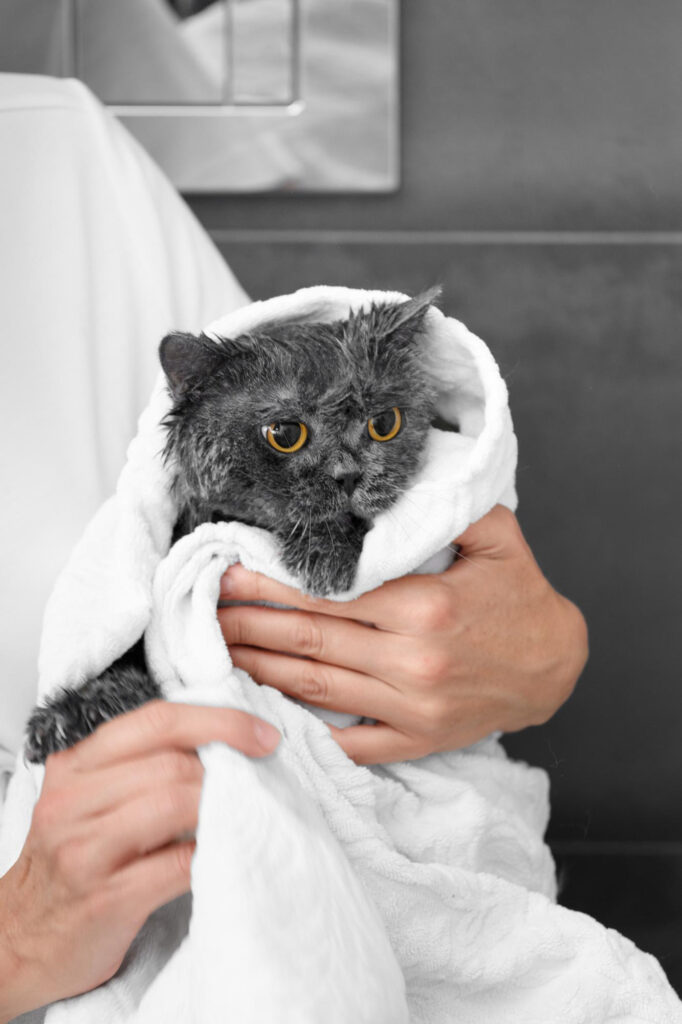
8. Bathing Too Frequently
While regular bathing is appropriate and necessary for some dogs, cats are an entirely different matter. Cats are highly efficient self-groomers who produce and rely on natural coat oils for skin and fur health. Bathing too frequently strips these oils, leading to dry, flaky, irritated skin and a dull, brittle coat. Most cats need a bath only when they have gotten into something sticky, oily, or toxic that they cannot safely clean themselves. Bathing more frequently than necessary even with cat-specific shampoo disrupts the skin’s natural balance. If your cat needs freshening between necessary baths, waterless cat shampoos and grooming wipes are far gentler alternatives that maintain cleanliness without stripping natural oils.
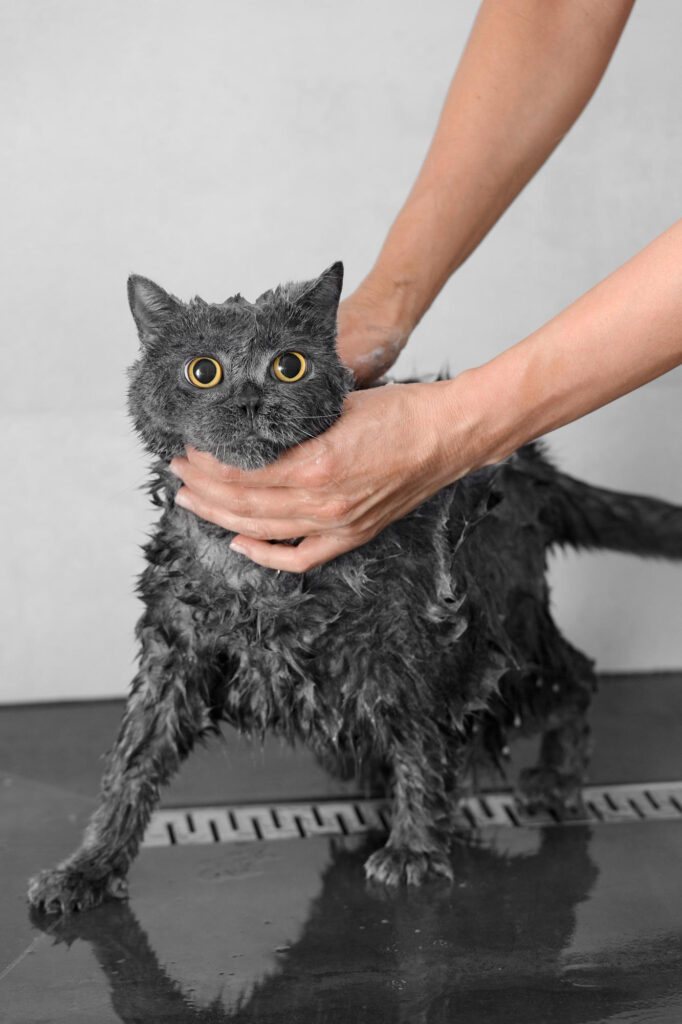
9. Making Grooming a Negative Experience
How a cat feels about grooming is almost entirely determined by their cumulative experiences of it. A cat who has repeatedly experienced grooming as stressful, painful, or forced will become increasingly resistant over time making every future session harder, more stressful, and potentially impossible without professional intervention. Never attempt to groom a cat who is already agitated, overstimulated, or stressed. Never restrain your cat forcefully or continue a session over their clear and repeated objection. Always use high-value treats as rewards. Keep early sessions very short even one or two minutes of positive handling is more valuable than ten minutes of forced grooming. End every session before your cat reaches their limit, not after. Building positive associations with grooming requires consistency and patience but pays enormous dividends over the lifetime of your cat.
10. Using Human or Dog Grooming Products
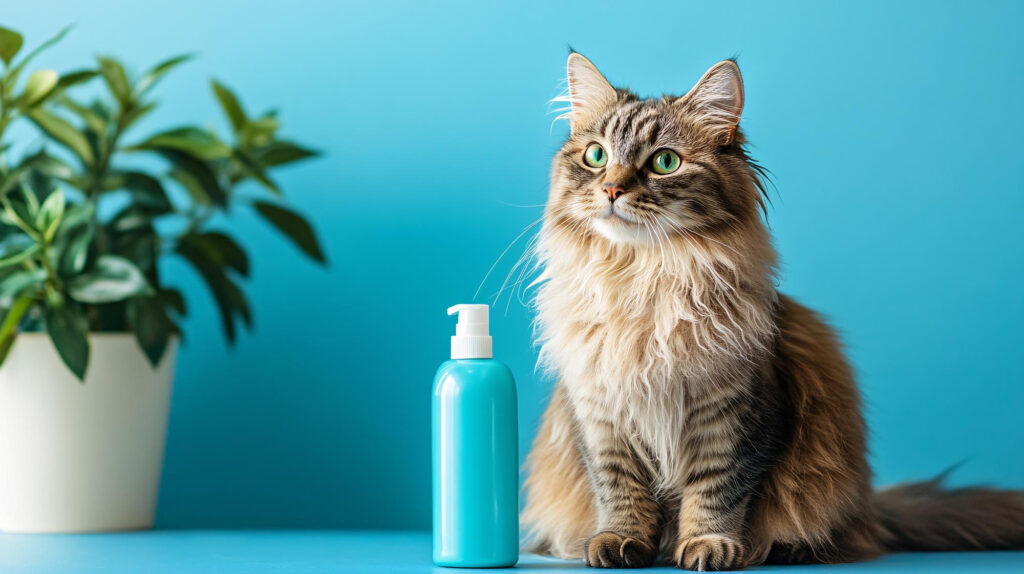
Cat skin has a significantly different pH balance compared to human or dog skin, and products formulated for humans or dogs can seriously disrupt this balance. Human shampoo even gentle baby shampoo is too harsh for cat skin and strips natural oils. Dog shampoos often contain ingredients that are safe for dogs but toxic to cats, including certain essential oils and insecticides. Human toothpaste contains fluoride and xylitol, both of which are toxic to cats. Always use products that are specifically formulated for cats and confirmed safe by veterinary dermatologists. When in doubt about any product, check with your veterinarian before using it on your cat. This applies to grooming sprays, detanglers, ear cleaners, and any other topical product.
11. Grooming Only When There Is a Problem
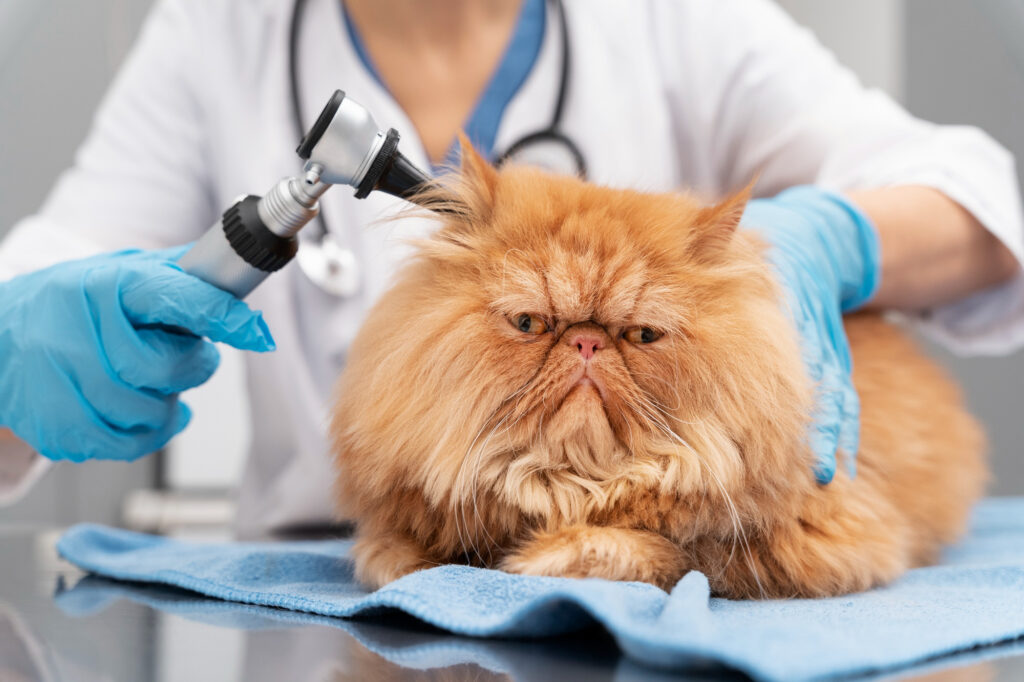
Reactive grooming only addressing your cat’s coat, nails, or ears when a problem has already developed is one of the most common and easily corrected grooming mistakes. By the time mats are visible, nails are curling, or ears are showing signs of infection, the situation is already significantly harder to address than it would have been with regular preventive maintenance. Regular grooming also serves as a full-body health check every session is an opportunity to notice changes in skin condition, feel for unusual lumps or bumps, check for parasites, and monitor your cat’s overall physical condition. Many health problems are caught early during routine grooming sessions by attentive owners. Treat grooming as preventive healthcare rather than reactive problem solving.
12. Skipping Professional Grooming When Needed
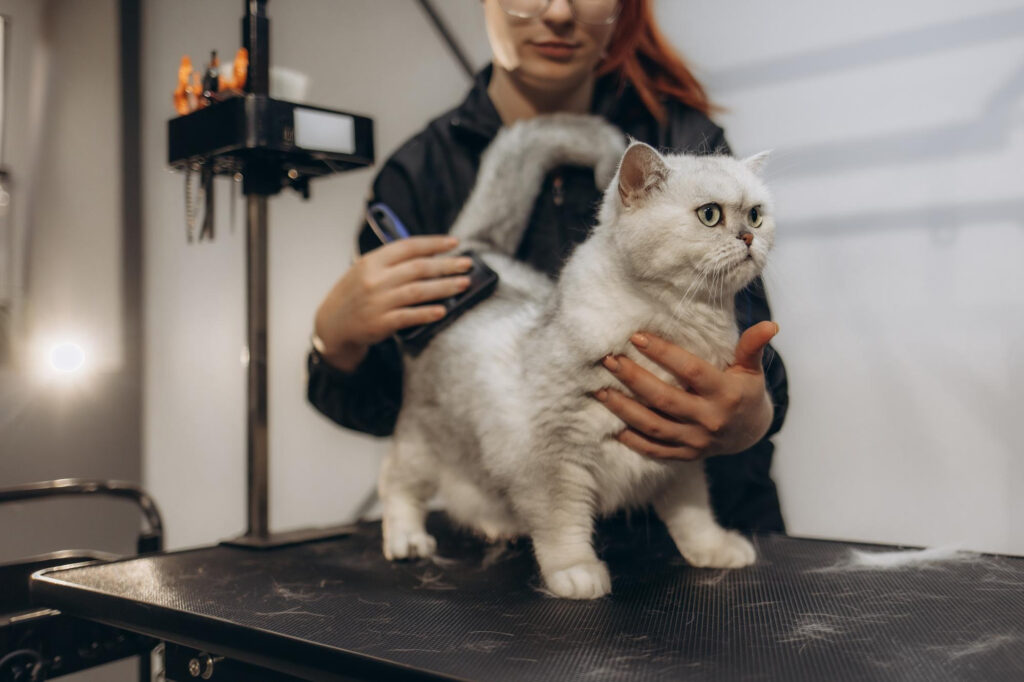
Some situations genuinely require professional expertise rather than home grooming, and recognizing when to call in a professional is itself an important grooming skill. Severe or widespread matting that cannot be safely addressed at home, long-haired breeds who require full sanitary clips or body trims, cats who are extremely anxious or aggressive during grooming, and elderly or arthritic cats who need particular care during handling all benefit from professional grooming. A good professional groomer is a valuable partner in your cat’s overall care not a replacement for regular at-home maintenance but an essential complement to it. Establishing a relationship with a cat-experienced groomer early means you have expert support available whenever your cat’s needs exceed what you can safely provide at home.
Grooming is one of the most important investments you can make in your cat’s health and comfort. Avoiding these 12 common mistakes will make every grooming session safer, more effective, and more enjoyable for both you and your cat.